
Resource Guide
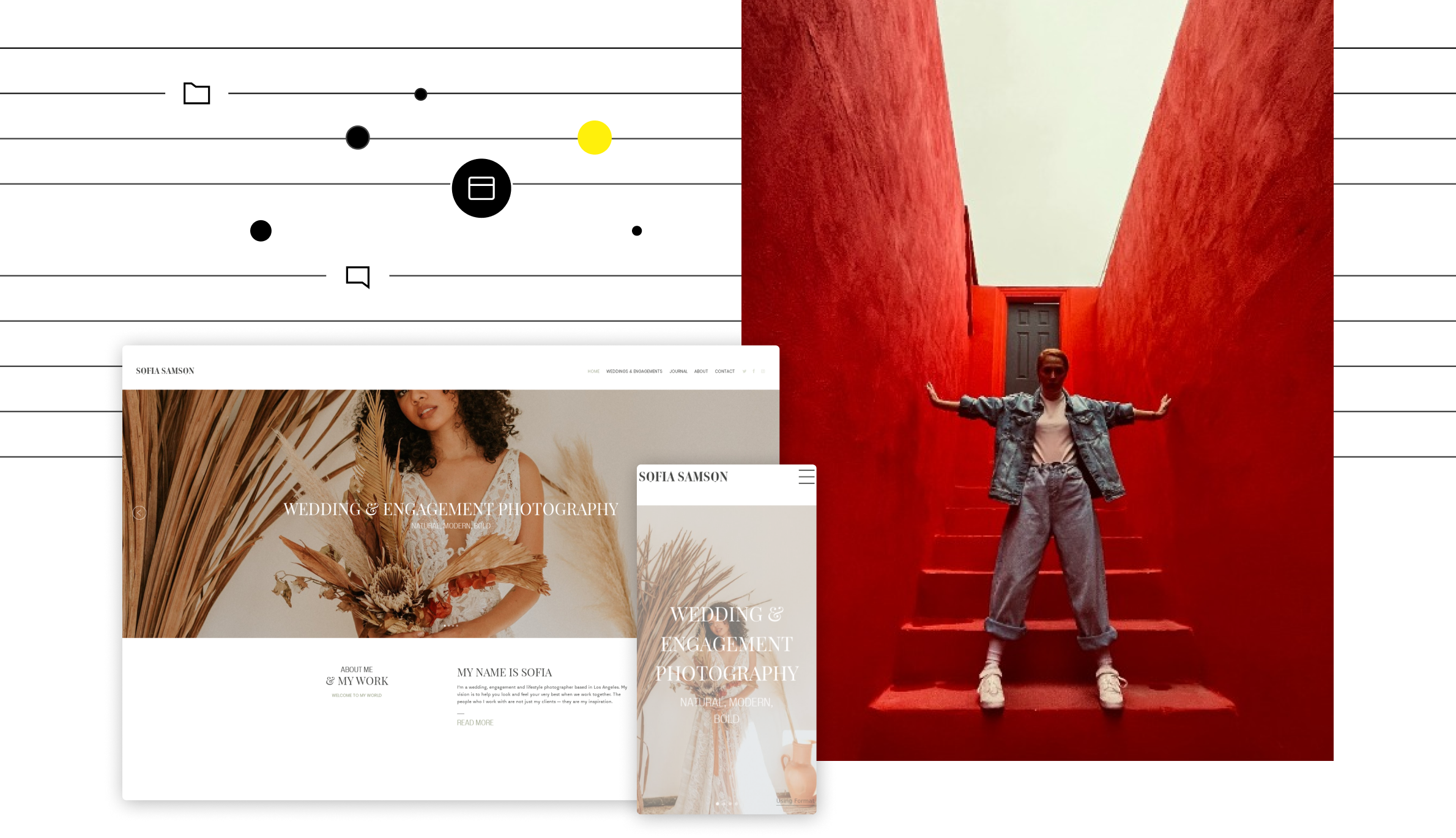
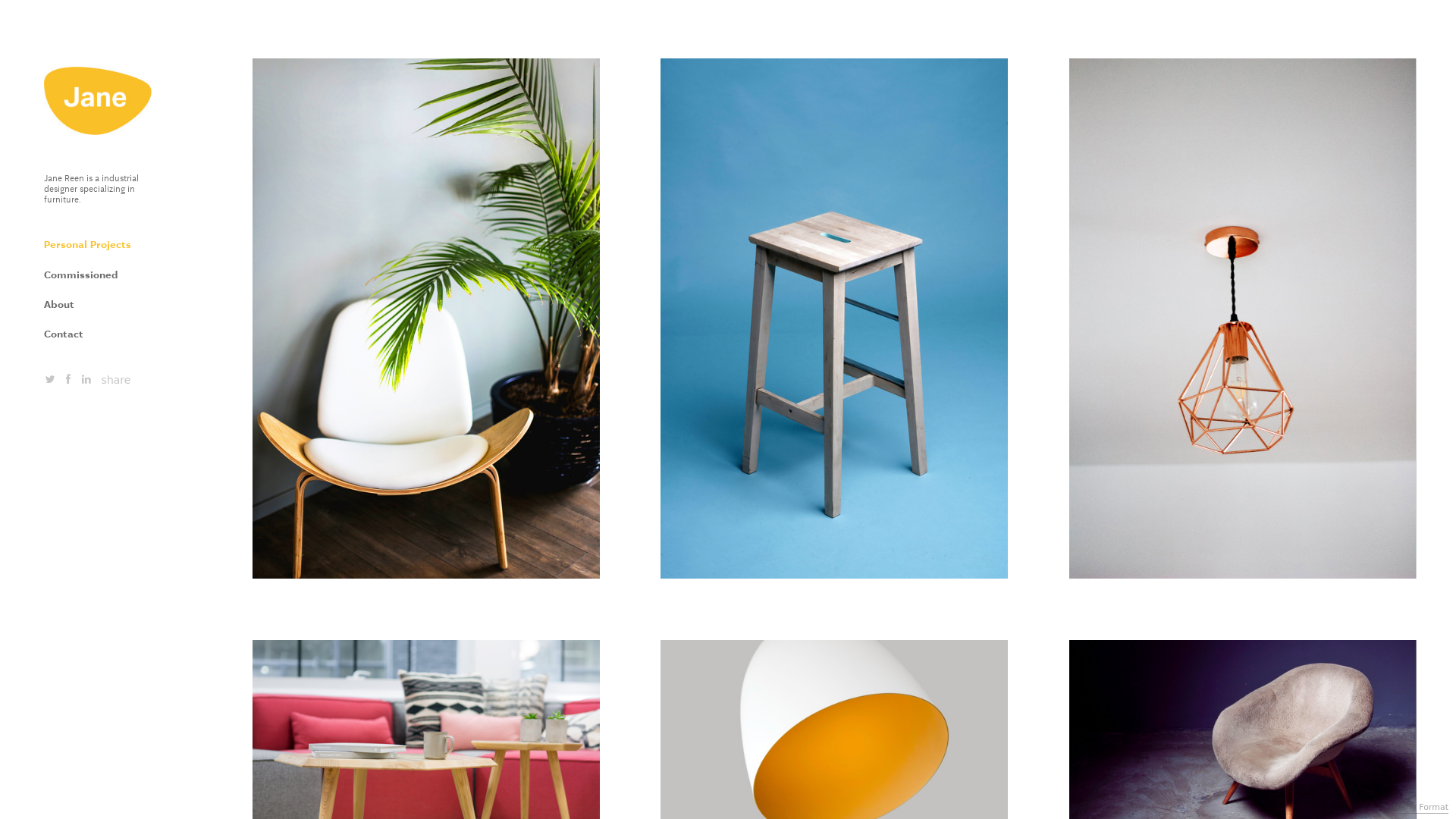
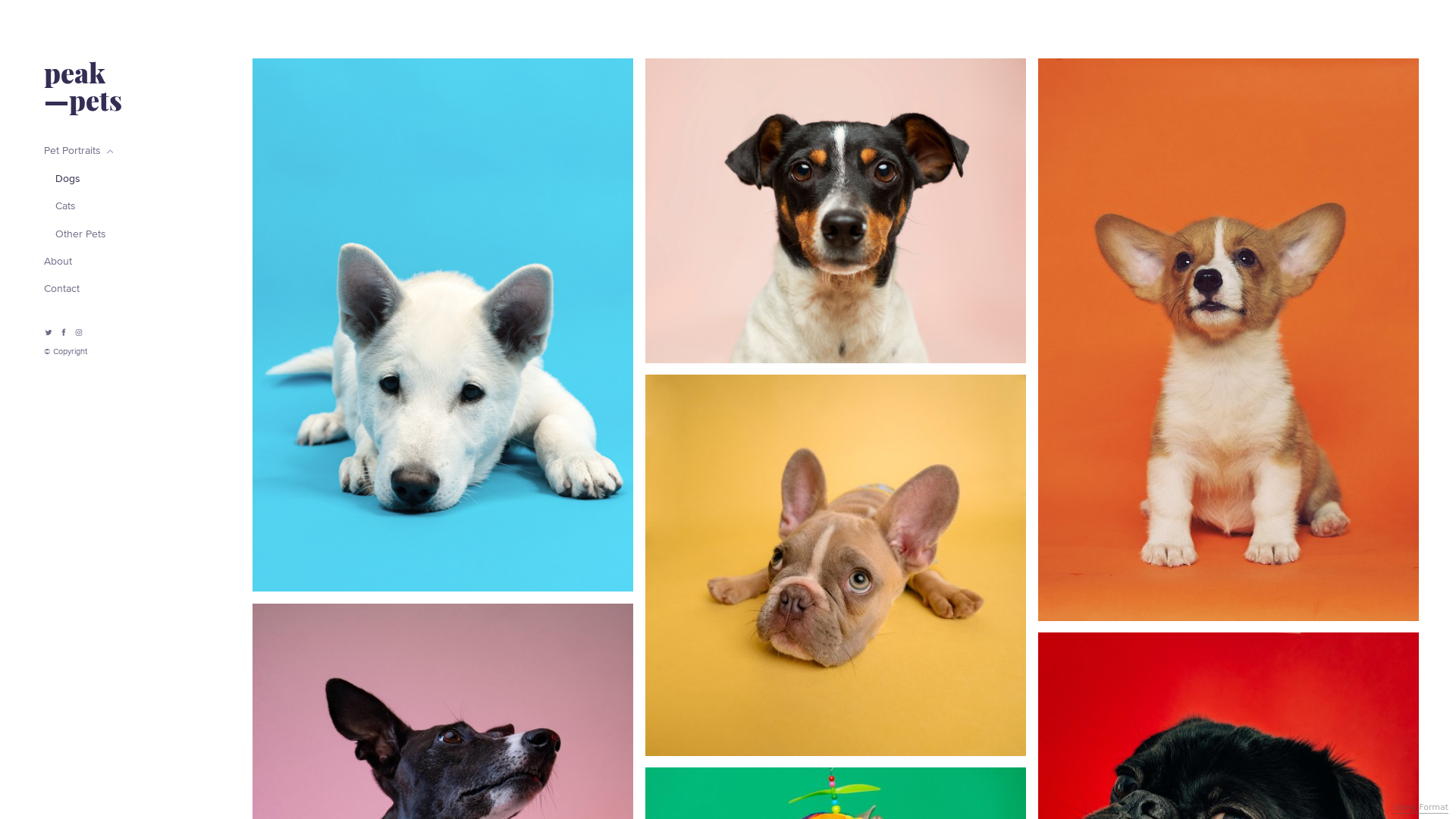
This e-book is designed to be a comprehensive guide that will provide you with the tools, resources, and advice you need to take your photography skills to the next level.
In the pages ahead, you'll find practical tips and advice from industry experts, as well as valuable resources and tools that will help you develop your skills and stand out from the crowd.
We hope you find it useful and inspiring, and we look forward to seeing the amazing work you'll produce with your newfound knowledge and skills.
Let's get started!
Share a list of things that people can buy to help them out.
We've outlined five essential skills you'll need to perfect your craft, including what equipment or software you'll need, the difficulty range, and the best ways to improve them.
Essential Skill
Tools
How to improve
📷
Camera Settings
Camera with manual control mode
Practice using your camera in different lighting conditions and experiment with different settings. Attend workshops or take online courses on basic photography techniques.
🏞️
Composition
Any camera
Study the work of other photographers, pay attention to elements such as lines, shapes, patterns, and colors, and experiment with different compositions.
🔄
Workflow
Camera & Editing software
Develop a consistent workflow for capturing, importing, organizing, and processing your images. Use software to automate repetitive tasks and create presets to streamline your editing process.
💡
Lighting
Any camera, external light sources
Practice shooting in different lighting conditions and experiment with natural and artificial light sources. Study the work of other photographers and learn about different lighting techniques.
🖥️
Post-Processing
Editing Software
Practice editing your images using software like Lightroom or Photoshop. Attend workshops or take online courses to learn advanced editing techniques. Study the work of other photographers to learn how they achieve their desired look.
As a photographer, mastering certain skills can help you elevate your skills and create stunning images. Here are three skills that all photographers should strive to master:
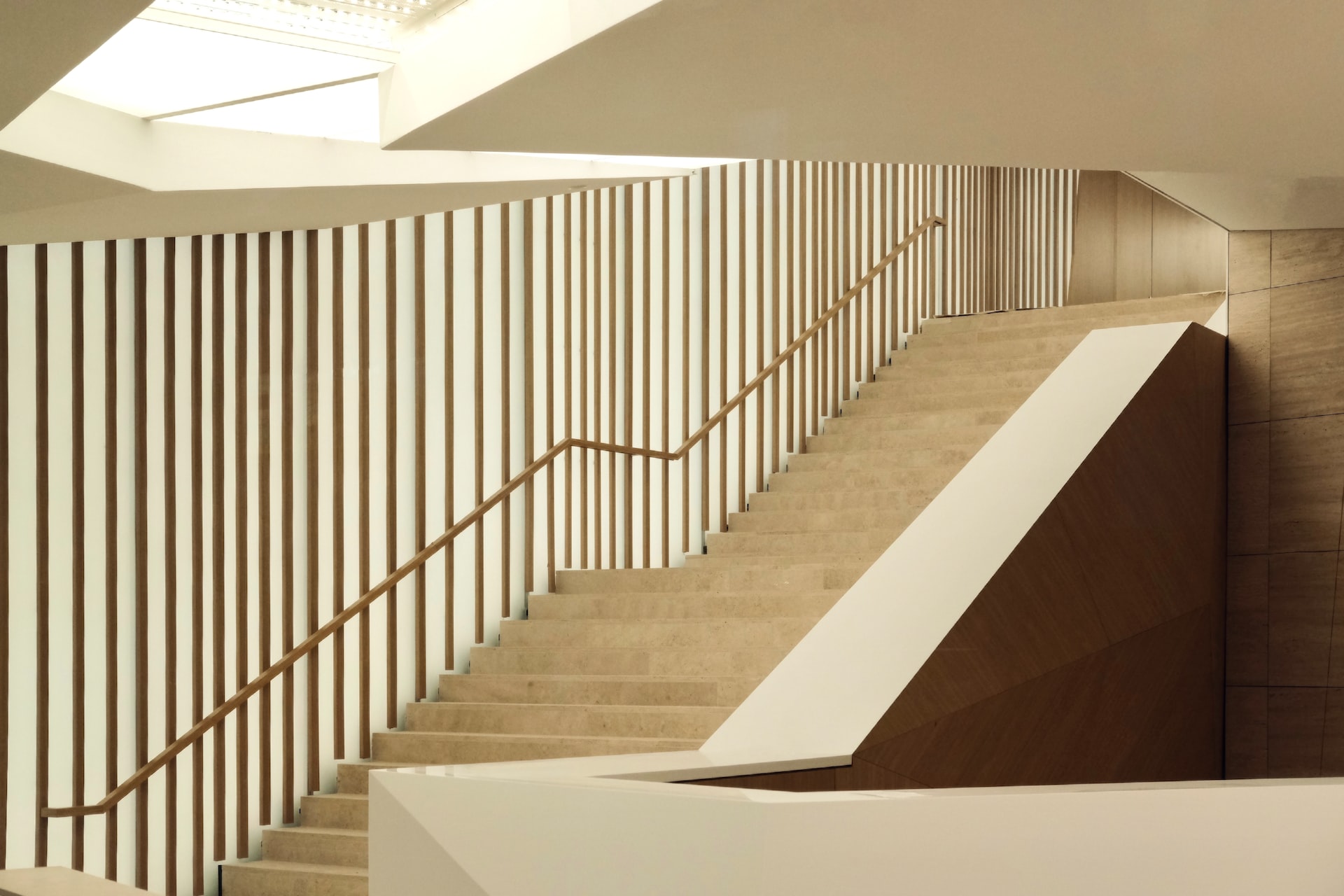
Once you've become accustomed to camera settings, composition will become the key to capturing truly unique pictures. Composition refers to the way you position the elements of a scene within the frame such that your photograph tells a story or conveys a message. To master composition, photographers should learn the rule of thirds, experiment with different angles and perspectives, and pay meticulous attention to the placement of elements within the frame.
Lighting can make or break a photograph. A skilled photographer knows how to manipulate light to create the desired effect. Mastery of lighting requires a comprehension of the use of various light sources, including natural and artificial light. Photographers should also learn about exposure, color temperature, and how to use reflectors and diffusers to control light.
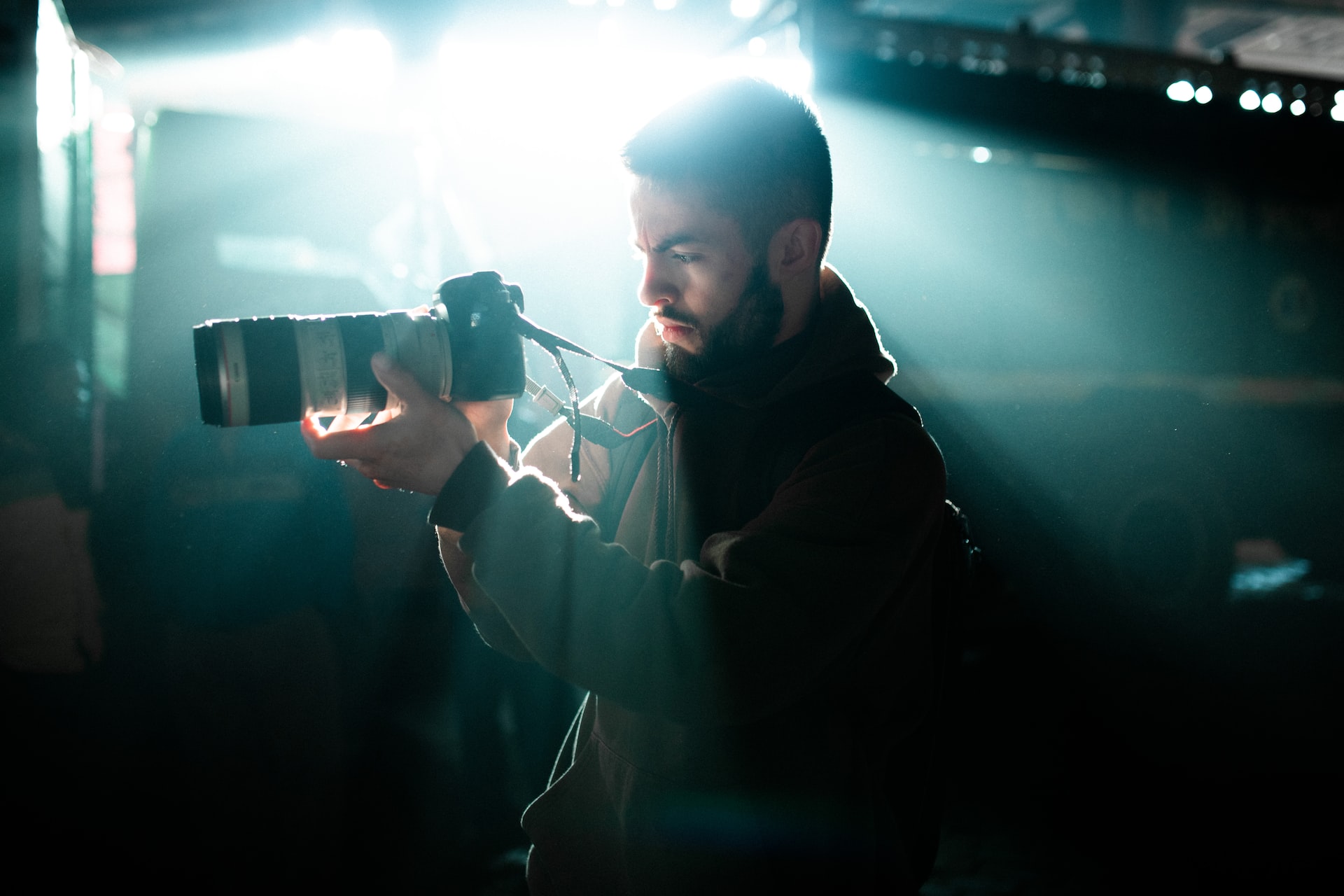

While it's important to get the shot right in-camera, post-processing can take your images to the next level. Learning how to use editing software like Adobe Lightroom or Photoshop can help you fine-tune your images and create a consistent style. Photographers should learn basic editing skills like adjusting exposure and contrast, cropping, and removing distractions, as well as more advanced techniques like dodging and burning and color grading.
There are plenty of online resources available for aspiring photographers to help them perfect their craft. Whether you're looking to learn new skills or refine your existing ones, there are plenty of websites, blogs, and YouTube channels that can help you. Here are some of the best online resources:
Photography blogs
There are many blogs dedicated to photography, with some of the most popular being FStoppers, PetaPixel, and Digital Photography School. These blogs cover a wide range of topics, from gear reviews to tips and tricks for shooting.


Online courses
If you're looking for a more structured approach to learning photography, there are plenty of online courses available. Some of the best platforms for photography courses include Udemy, Skillshare, and CreativeLive.


Photography forums
Photography forums are a great way to connect with other photographers and get feedback on your work. Some popular forums include Photography Talk & The Photo Forum and Reddit's/r/photography.


Social media
Social media platforms like Instagram and Flickr are great places to showcase your work and connect with other photographers. They can also be a great source of inspiration for your own photography.


YouTube channels
YouTube is a great resource for photographers, with many channels dedicated to tutorials and reviews. Some of the best channels include Peter McKinnon, Mango Street, and Jared Polin.


In addition to online resources, there are many books and courses available that can help you perfect your photography skills. These resources are often created by experienced photographers who want to share their knowledge and help others improve their craft. Here are some books and courses that we recommend:
"National Geographic Photo Basics" by Joel Sartore
This book is a comprehensive guide to the fundamentals of photography, covering everything from lighting to composition to editing.
"Photography Masterclass: A Complete Guide to Photography" course by Phil Ebiner
This course, available on Udemy, covers the basics of photography, as well as more advanced topics such as exposure, composition, equipments and much more!
"Understanding Exposure" by Bryan Peterson
This book is a classic that covers the basics of exposure and how to get the right settings for your shots.

"Annie Leibovitz Teaches Photography" course
This course, available on MasterClass, is taught by the renowned photographer Annie Leibovitz and covers topics such as portraiture, lighting, and working with subjects.
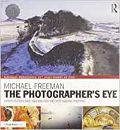
"The Photographer's Eye" by Michael Freeman
This book focuses on composition and how to create compelling images.
Photography is an art form that requires both technical knowledge and creative vision. Whether you're a beginner or an experienced photographer, there's always room for improvement and growth. In this section, we'll explore some tips and strategies for developing your skills as a photographer.
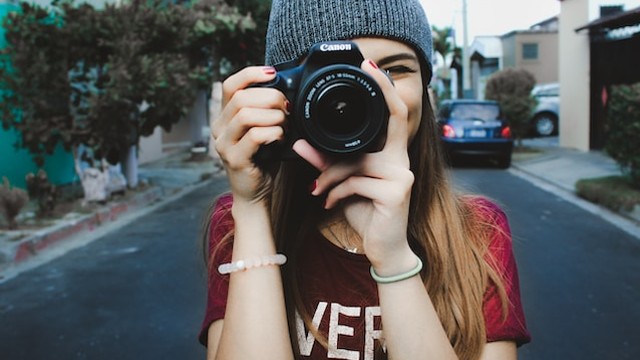
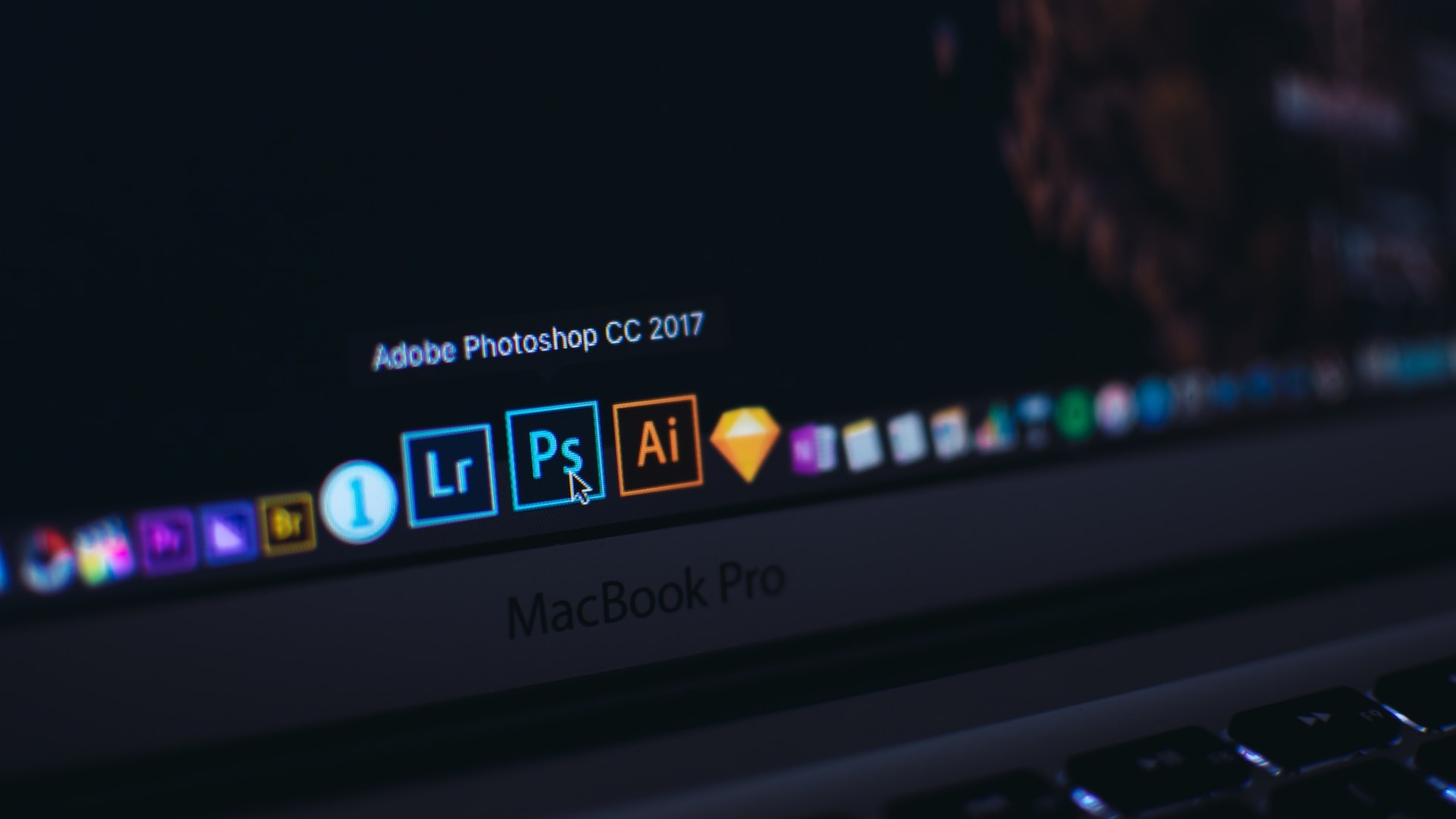
As a photographer, having the right tools and software is essential to creating stunning images and building a successful career. Here are a number of software programs and tools that can help you take your photography to the next level.

Adobe Lightroom is a powerful photo editing software program that allows you to organize, edit, and share your photos all in one place.
Adobe Photoshop: Adobe Photoshop is a versatile photo editing software program that allows you to retouch, manipulate, and composite images to create your desired result.

Capture One: Capture One is a professional-grade photo editing software program that is popular among commercial and fashion photographers.

GIMP: GIMP (GNU Image Manipulation Program) is a free and open-source photo editing software program that offers many of the same features as Adobe Photoshop.
While Adobe Lightroom and Adobe Photoshop are both photo editing software programs, they serve different purposes. Here are two key differences between the two programs:
1. Workflow
Adobe Lightroom is designed to be a complete photography workflow solution, from importing and organizing photos to editing and sharing them. Adobe Photoshop, on the other hand, is primarily a photo editing software program, and while it has some organizational features, it doesn't offer the same level of workflow management as Lightroom.
2. Editing capabilities
Adobe Lightroom is designed for non-destructive editing, meaning that the original image file remains intact and any adjustments are saved separately. This allows you to go back and make changes to your edits at any time. Adobe Photoshop, on the other hand, is more focused on pixel-level editing and manipulation, and is better suited for complex image compositing and advanced retouching.
As a photographer, having the right tools and software is essential to creating stunning images and building a successful career. Here are a number of software programs and tools that can help you take your photography to the next level.

Adobe Photoshop Express: As a web version of the industry-standard Photoshop software, it offers a comprehensive range of editing tools, including basic adjustments, filters, retouching options, and more. It provides a user-friendly interface and integration with Adobe Creative Cloud.

Canva: While primarily known as a graphic design platform, Canva also offers powerful photo editing capabilities. It provides an extensive collection of templates, filters, and effects, making it ideal for creating social media graphics and visually appealing designs.
Pixlr: Pixlr is a robust online photo editor that provides a wide range of editing tools, filters, overlays, and retouching options. It offers a user-friendly interface and supports various file formats, making it a popular choice for quick and easy photo editing tasks.
| Desktop-Based Photo Editing Software |
| ✔️ Advanced Editing Features |
| ✔️ Greater Processing Power |
| ✔️ Offline Availability |
| ✔️ Customization and Plugins |
| ⚠️ Platform Limitations |
| ⚠️ Cost |
| ⚠️ Learning Curve |
| ⚠️ Version Updates |
| Web-Based Photo Editing Software |
| ✔️ Accessibility |
| ✔️ Cross-Platform Compatibility |
| ✔️ Collaboration |
| ✔️ Automatic Updates |
| ⚠️ Limited Processing Power |
| ⚠️ Internet Dependency |
| ⚠️ Feature Limitations |
| ⚠️ Privacy and Security Concerns |
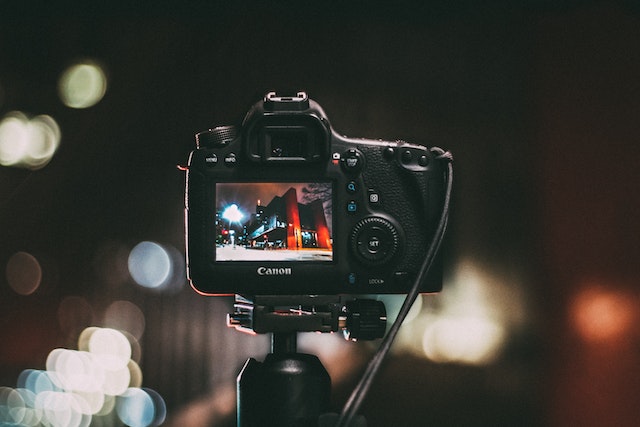
This is the main part of your camera and comes in different types and sizes, from compact point-and-shoot cameras to larger DSLRs (digital single-lens reflex cameras). Consider your budget, shooting needs, and preferences when choosing a camera body.
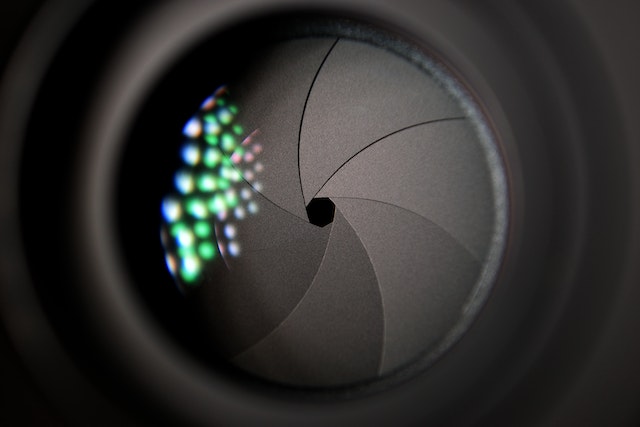
Lenses are the key to achieving different focal lengths and capturing different types of shots. They also have different apertures, which affect the amount of light that enters the camera. Some popular types of lenses include wide-angle, telephoto, and macro lenses.
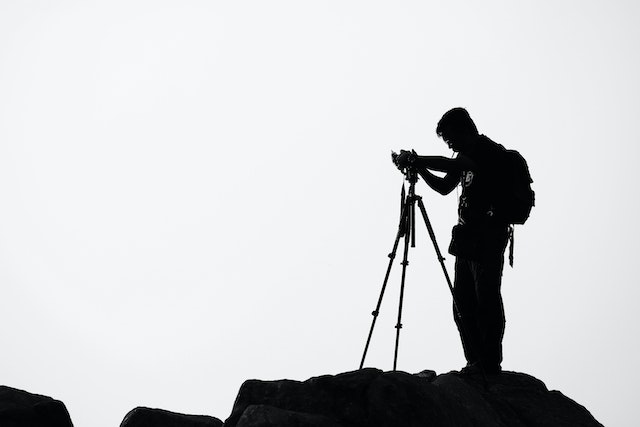
Tripod
A tripod is a three-legged stand that helps keep your camera steady when taking photos, which can be especially helpful in low-light situations or when shooting with longer exposures.
Resources:
Guide for Buying a Tripod
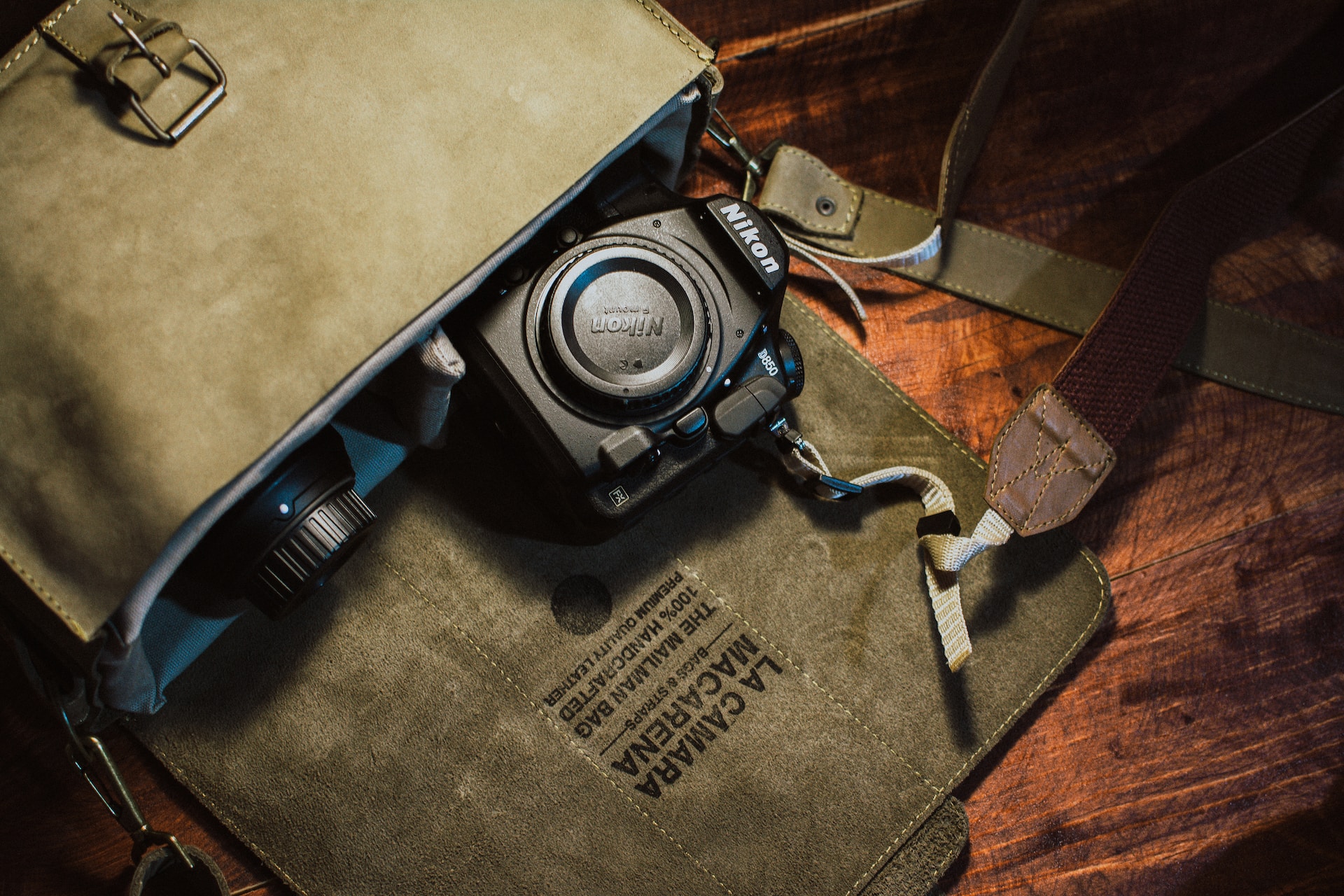
A good camera bag can help protect your gear and make it easier to carry. Look for one with padding, adjustable dividers, and comfortable straps.
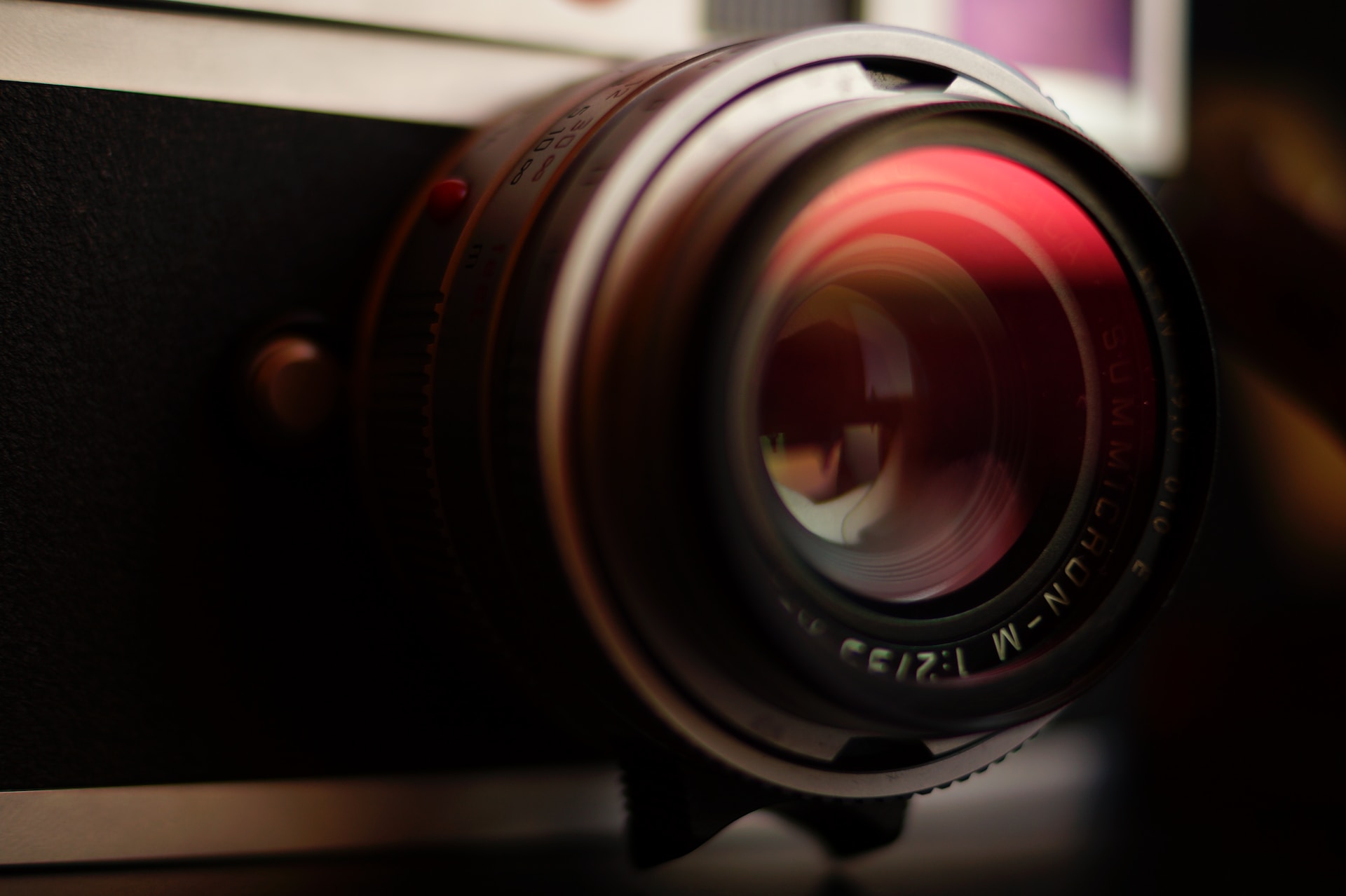
Filters are attachments that go on the front of your lens and can help control the amount and quality of light that enters the camera. Some popular types of filters include polarizers, neutral density filters, and UV filters.
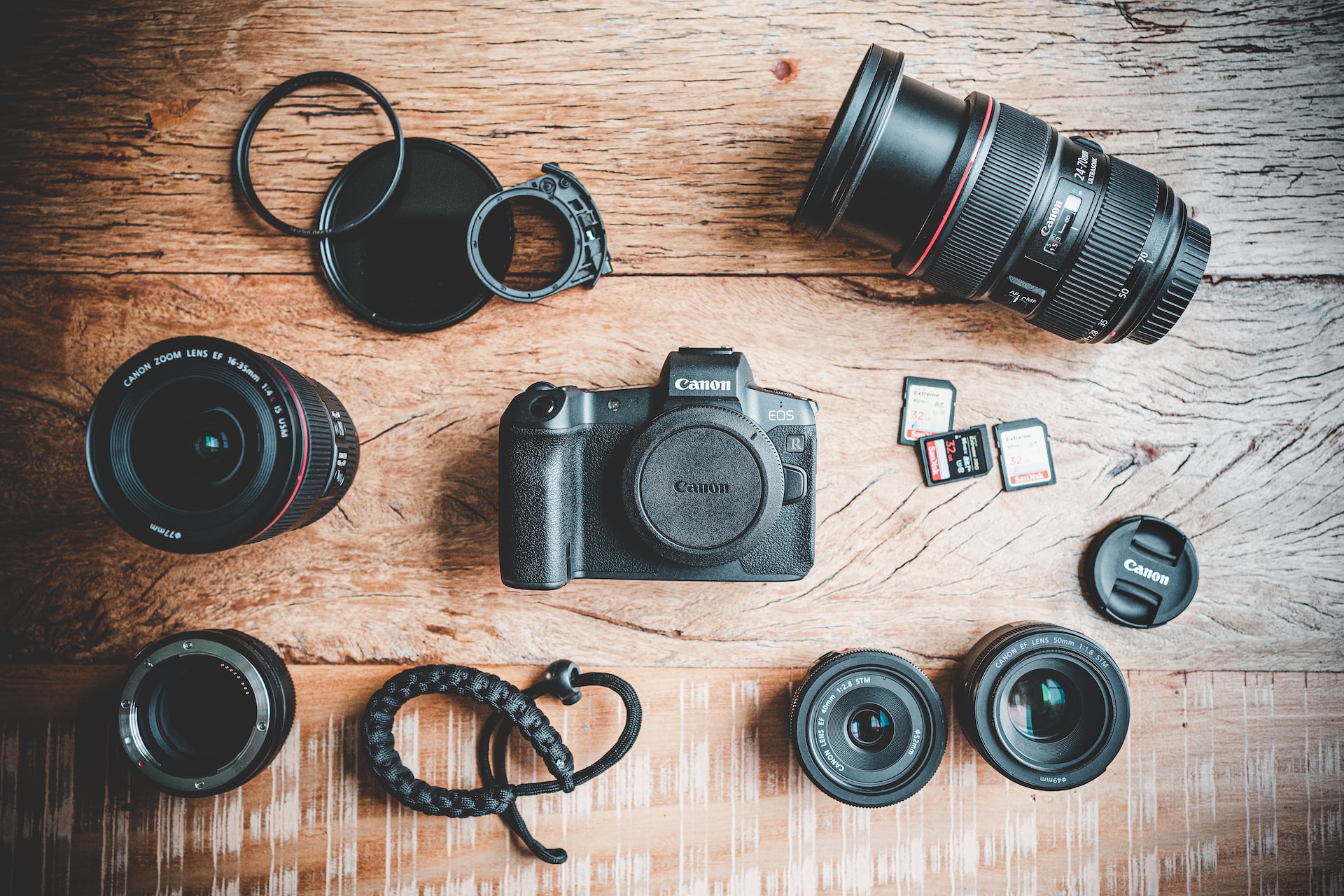
Other accessories that can be useful for photographers include external flashes, battery grips, remote shutter releases, and cleaning kits. Don't forget to bring a few memory cards with you!
Welcome to the world of product/art/design photography, where capturing stunning images is key to showcasing your creativity and attracting attention. In this guide, we will explore essential techniques to help you take your photography skills to the next level and capture captivating images of your products, art, or designs.
1. Understand Your Subject: Before you start photographing, take the time to truly understand your subject. Whether it's a product, artwork, or design, identify its unique features and elements that you want to highlight in the photographs. Consider its shape, texture, colors, and any intricate details that make it stand out. This understanding will guide your composition and shooting approach.
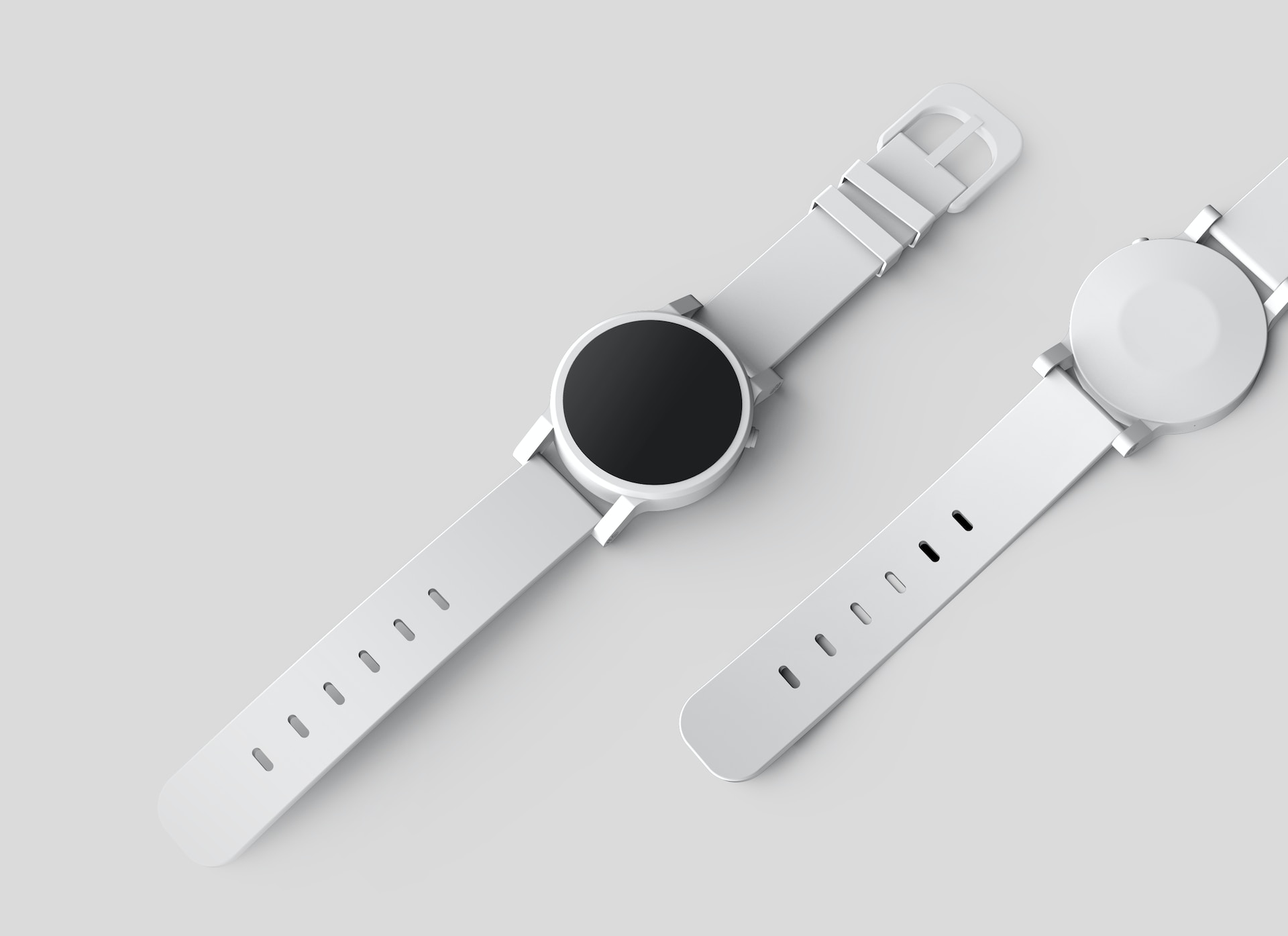
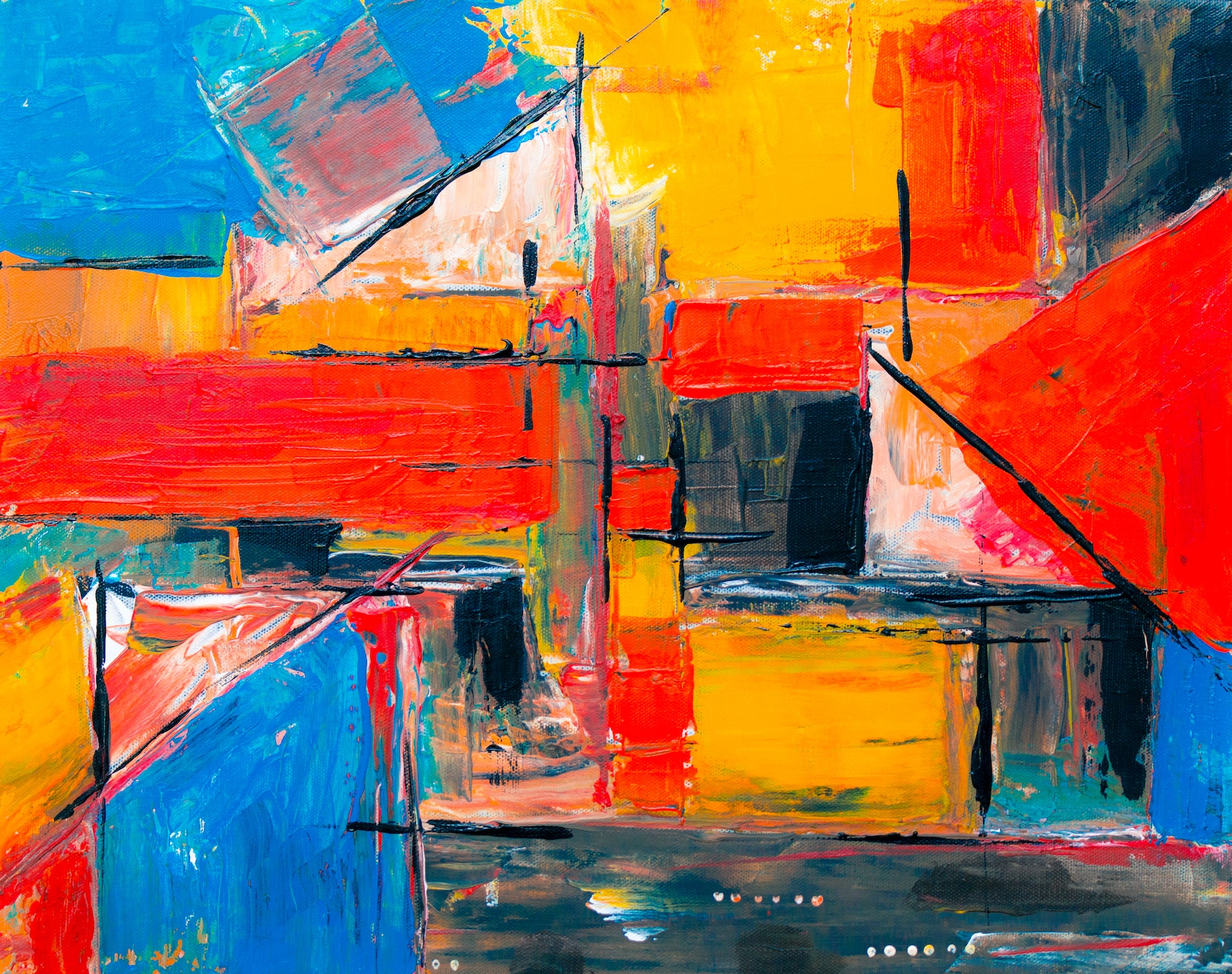
The product will influence lighting, background, camera settings etc.
3. Set Up an Optimal Shooting Environment: Create a well-prepared shooting environment to capture the best possible images. Choose a clean and clutter-free area that complements the subject. Consider using a plain backdrop to keep the focus on the product/art/design. Pay attention to lighting conditions, ensuring a balance between natural and artificial light sources. Experiment with different backgrounds, props, or staging elements to enhance the overall aesthetic.
Part 2 of our step-by-step guide to product, art & design photography
4. Master Lighting Techniques Lighting plays a crucial role in product/art/design photography. Aim for even, diffused lighting that highlights the subject's details and textures without harsh shadows. Utilize natural light by positioning your subject near a window or use artificial lighting setups like softboxes or umbrellas to achieve desired results. Experiment with different angles and intensities of light to create the desired mood and ambiance.
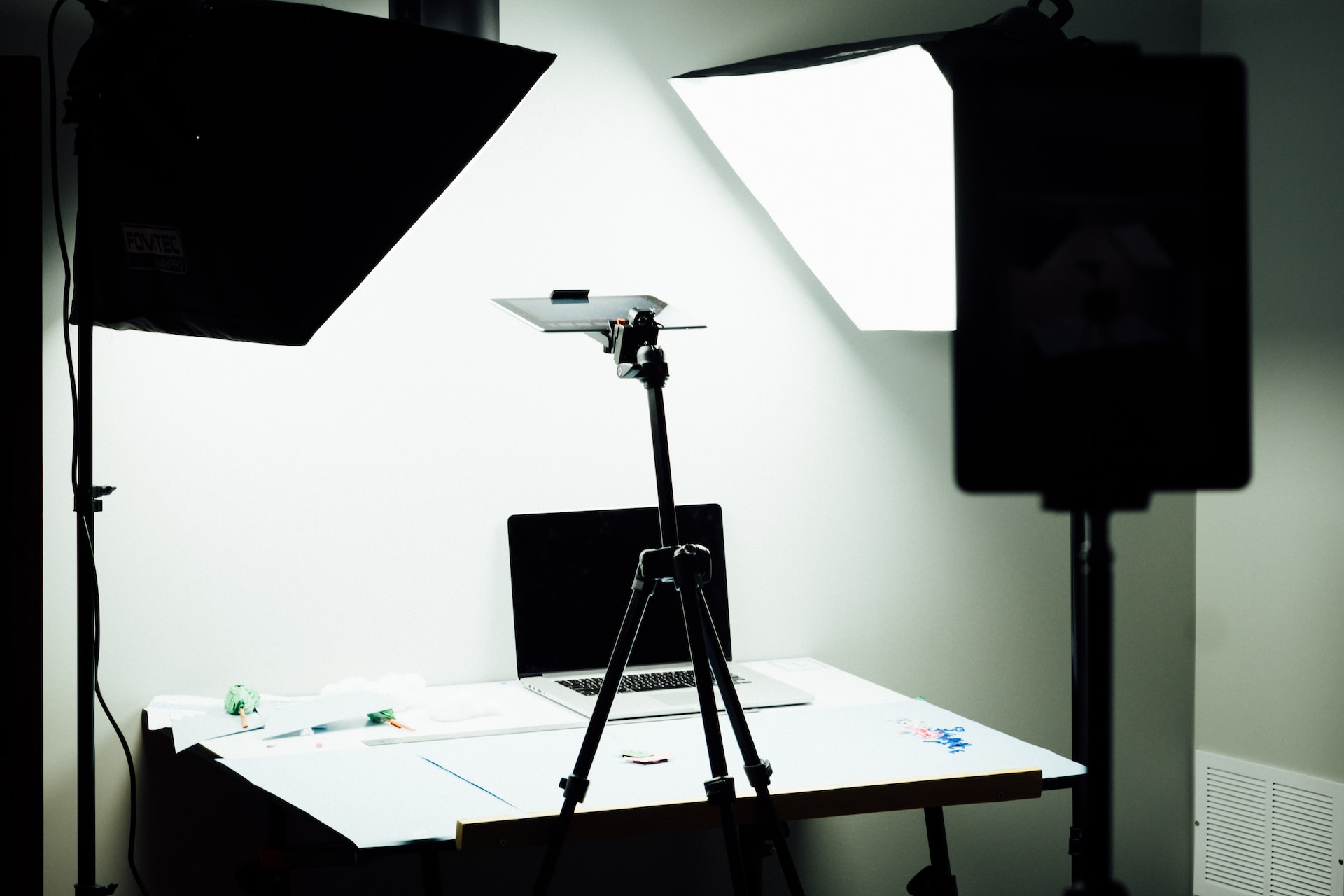

Lighting holds the power to elevate or diminish the overall quality of your image
7: Showcase Details and Textures: Products, art, and designs often possess unique details and textures that deserve to be highlighted. Utilize macro photography techniques to capture close-up shots that reveal intricate elements. Experiment with different angles and perspectives to showcase the subject's depth and dimension. Pay attention to focus and ensure the critical details are sharp and clear, drawing the viewer's attention.
8. Styling & Props: Enhance your product/art/design photos with carefully chosen props that complement the subject and style. Experiment for appealing compositions, keeping a balance to avoid overshadowing the focus. While props may work well for product photography or decorative art pieces, they might not necessarily be suitable for other forms, such as paintings.
Part 3 of our step-by-step guide to product, art & design photography
Step 9. Post-processing: Utilize photo editing software to fine-tune your images and achieve the desired look. Experiment with adjusting exposure, contrast, saturation, and color balance to bring out the best in your photographs. Retouch any imperfections or distractions, ensuring a clean and professional final result. However, be mindful not to over-edit and maintain the authenticity of the subject.
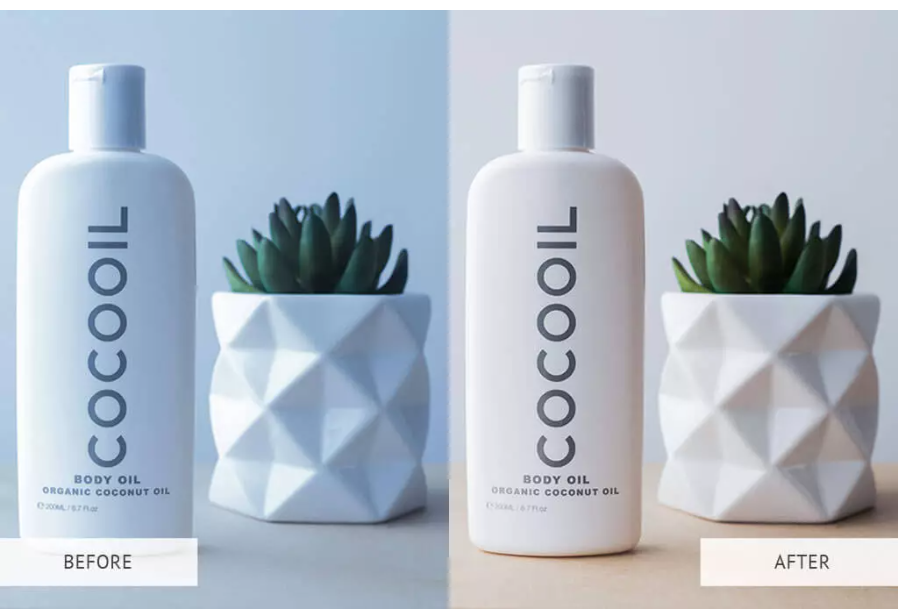
Contrast, white balance and brightness can easily be adjusted in Adobe Lightroom or Photoshop
10. Optimizing Image Formats and Sizes: To ensure your product/art/design photography is easily accessible and visually appealing across different platforms, optimize your image formats and sizes. Consider the specific requirements of each platform, such as websites, social media, or print materials. Choose appropriate file formats, such as JPEG or PNG, while balancing file size and image quality. Resize and compress images as necessary to maintain optimal loading times without compromising visual integrity.
Elevate your creative career with Format's free 2-week trial, the top choice of photographers, designers, and artists worldwide for showcasing their portfolios. Experience award-winning designs, commission-free selling, and exclusive video hosting—all in one platform.
To improve your photography skills, finding inspiration can be a crucial part of your creative process. Inspiration can come from many different sources, and it's important to explore a variety of them to keep your work fresh and engaging. Here are some sources of inspiration that you can tap into:
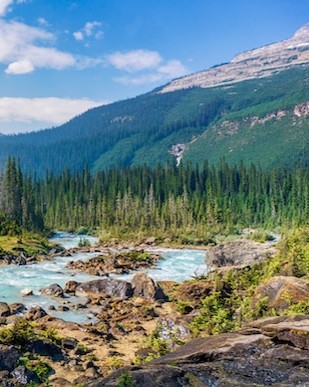
Nature
From landscapes to wildlife, nature offers endless opportunities for inspiration. Get outside and explore the world around you to find stunning natural beauty and unique perspectives.
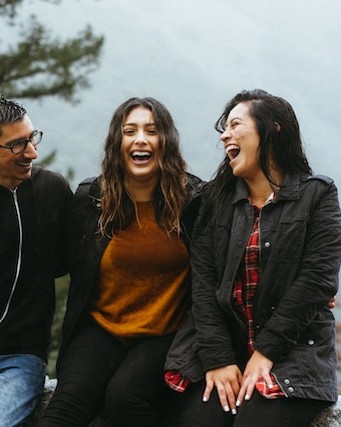
People
People and their stories can be a powerful source of inspiration for photographers. Whether you're capturing portraits or documenting events, people offer a wide range of emotions and experiences to draw from.
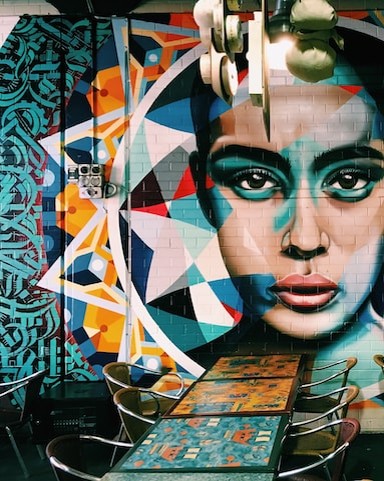
Art
Other forms of art, such as painting, sculpture, and architecture, can provide new ideas and perspectives for your photography. Visit museums, galleries, and other art exhibitions to broaden your horizons. If you are a creative, try to capture your own art in a new light!
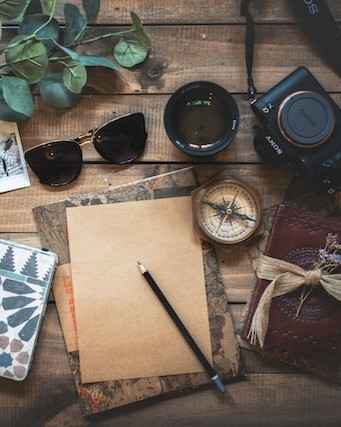
Travel
Traveling to new places can open up a world of inspiration for photographers. Whether you're exploring a new city or a remote wilderness, you'll find new perspectives and experiences to capture through your lens.
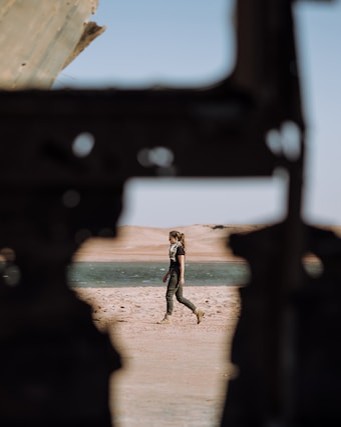
Personal experiences
Your own life experiences and memories can be a rich source of inspiration for your photography. Consider exploring your own emotions, relationships, and memories to create meaningful and personal work.
As a photographer, it's not always easy to stay inspired and creative. Fortunately, there are many techniques you can use to spark your creativity and push yourself to try new things. Here are some ideas to get you started:
Experiment with different techniques: Don't be afraid to try new things and experiment with different photography techniques. Whether it's playing with lighting, exploring new angles, or trying out different lenses, there's always something new to learn and explore.
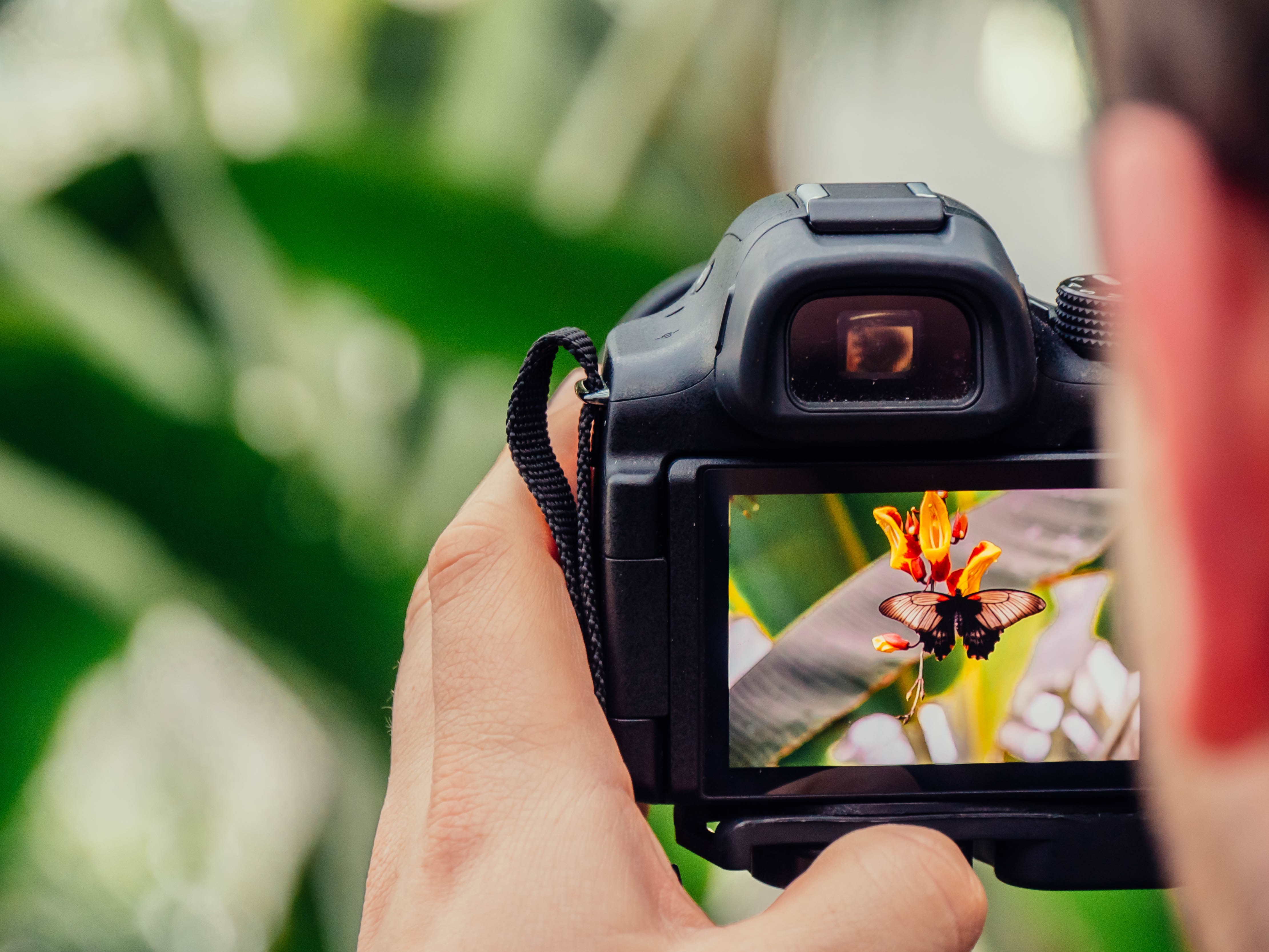
Collaborate with others: Collaborating with other creatives, such as models, stylists, and other photographers, can be a great way to spark your creativity and generate new ideas. Working with others can also help you learn new skills and gain valuable insights into the creative process.
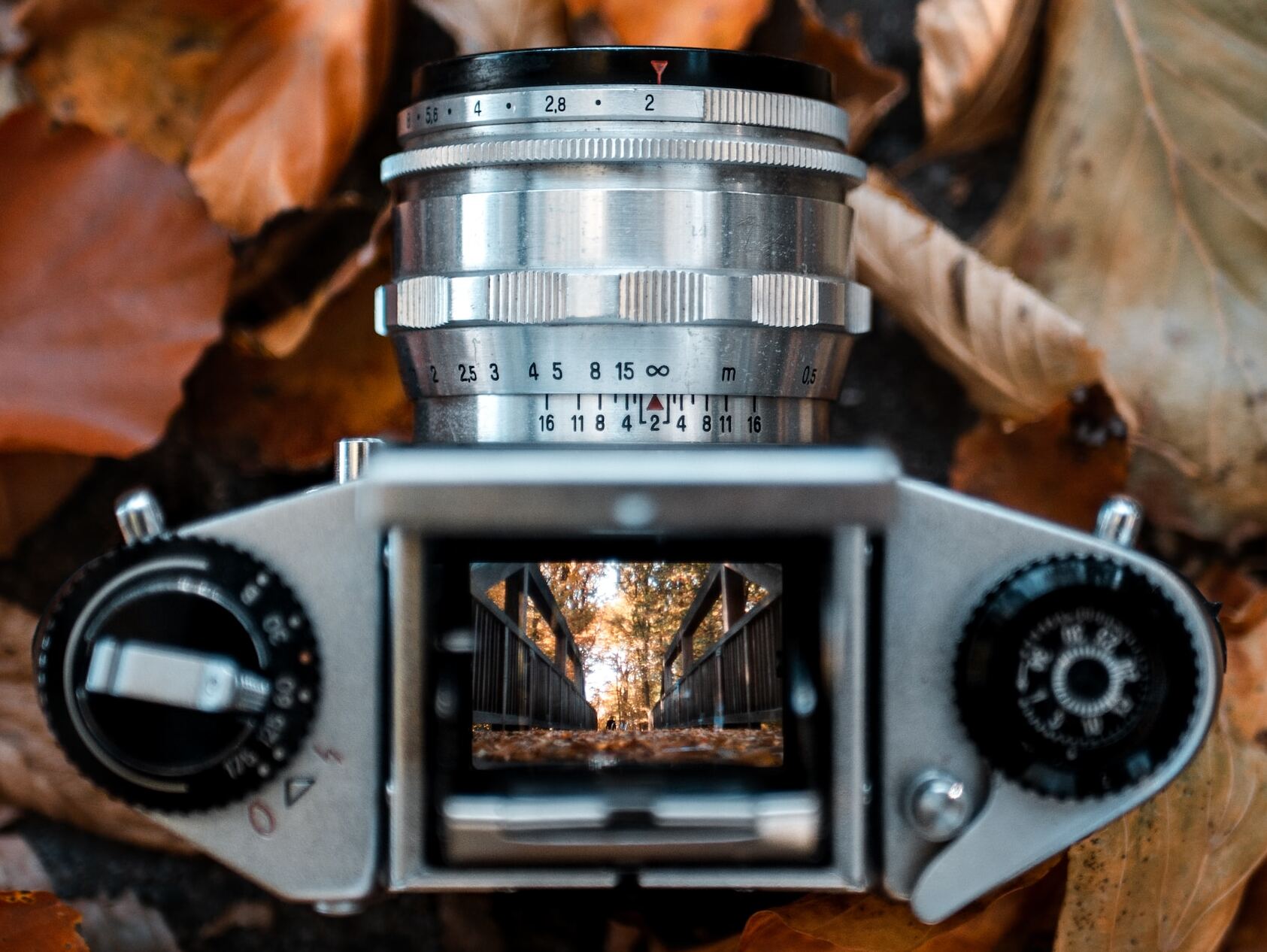
Change your perspective: Sometimes all it takes is a new perspective to see things in a fresh and exciting way. Try shooting from different angles, playing with reflections and shadows, or experimenting with unusual compositions to see your subjects in a new light.
Take a break: Sometimes the best way to spark your creativity is to take a step back and recharge your batteries. Take some time to do something completely unrelated to photography, such as reading a book or taking a walk in nature.
Set yourself a challenge: Setting yourself a creative challenge, such as taking a photo every day for a month, can be a great way to push yourself out of your comfort zone and explore new ideas and techniques.
As a photographer, staying inspired is key to creating impactful work. While there's no one-size-fits-all solution for finding inspiration, there are some best practices that can help you stay motivated and creative. Here are some tips to help you stay inspired:
As an aspiring photographer or creative professional doing photography, it's important to showcase your work in the best possible light. This is where an online portfolio comes in. Here are a few reasons why:

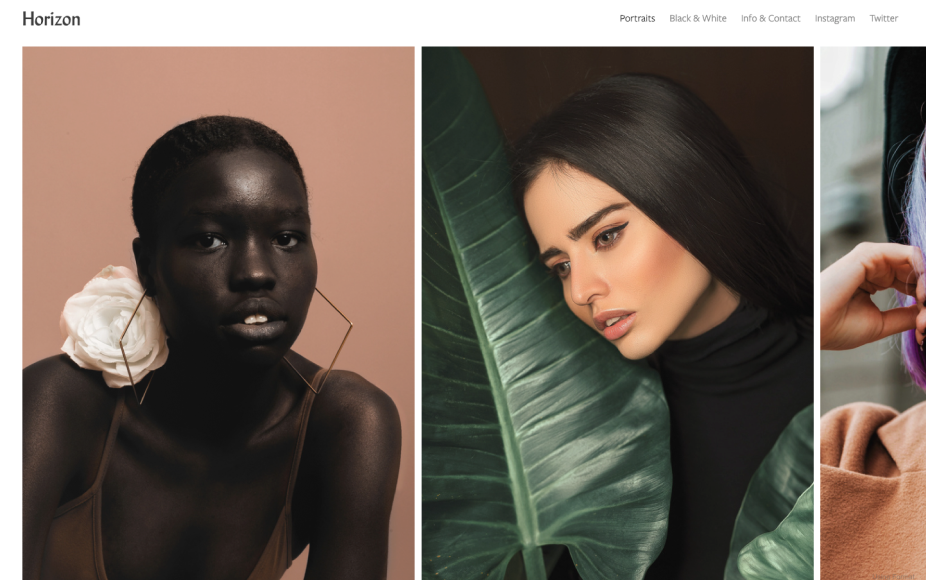
2. Enhance credibility: An online portfolio establishes you as a credible professional in your creative field by showcasing your skills and expertise, especially when you're just starting out.
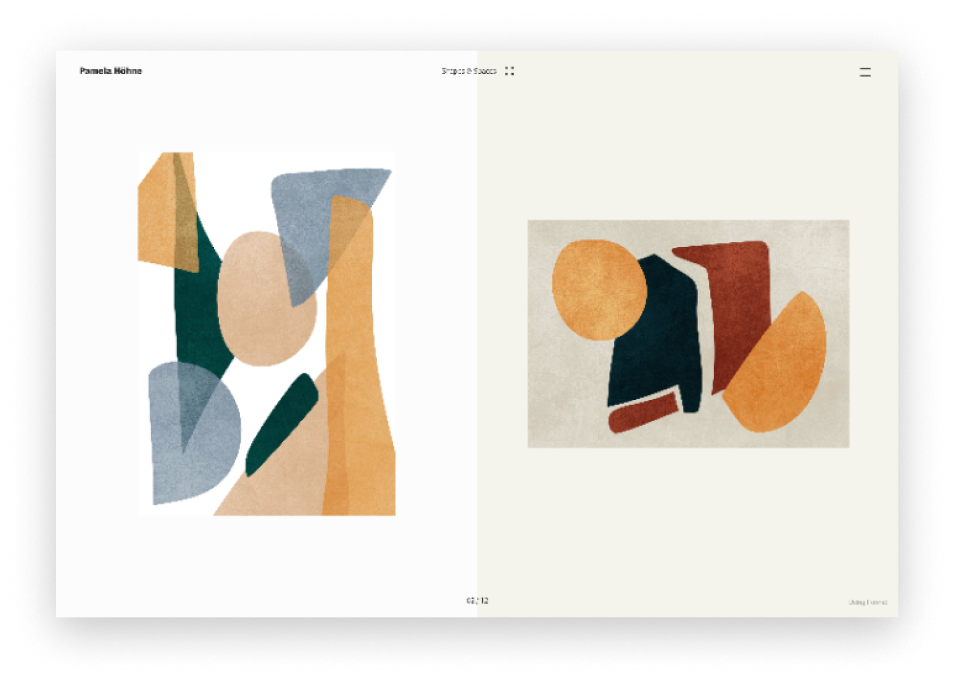
3. Effective showcasing: Use an online portfolio to visually present your work with customizable layouts, colors, fonts, and descriptions, making it easy for visitors to find what they're looking for.
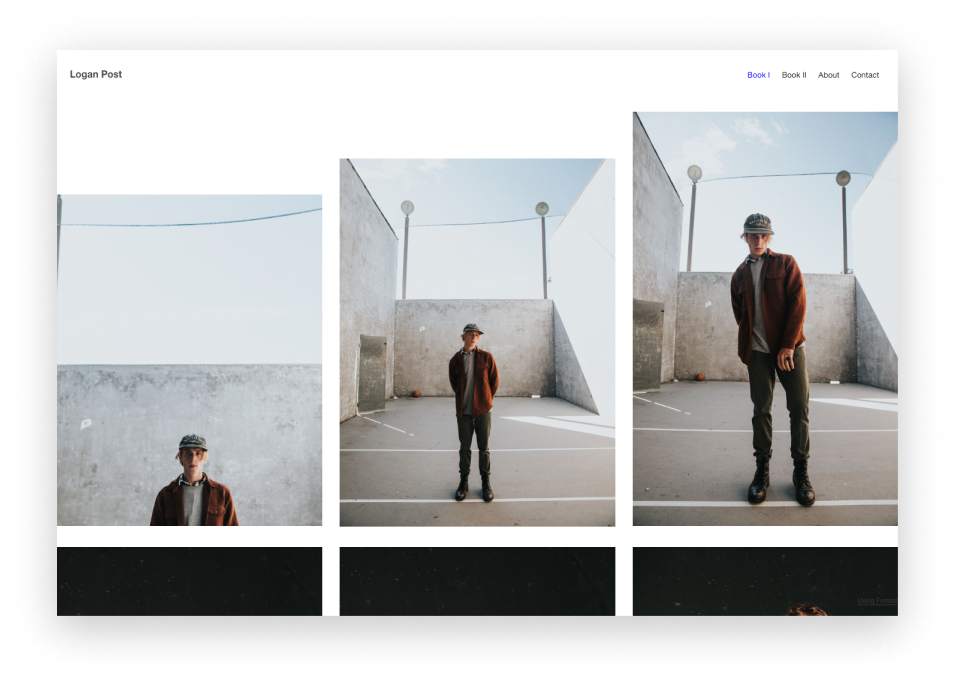
4. Build your brand: Craft a cohesive and professional online presence through your portfolio to convey your brand's values, attracting the right clients and cultivating a loyal following.
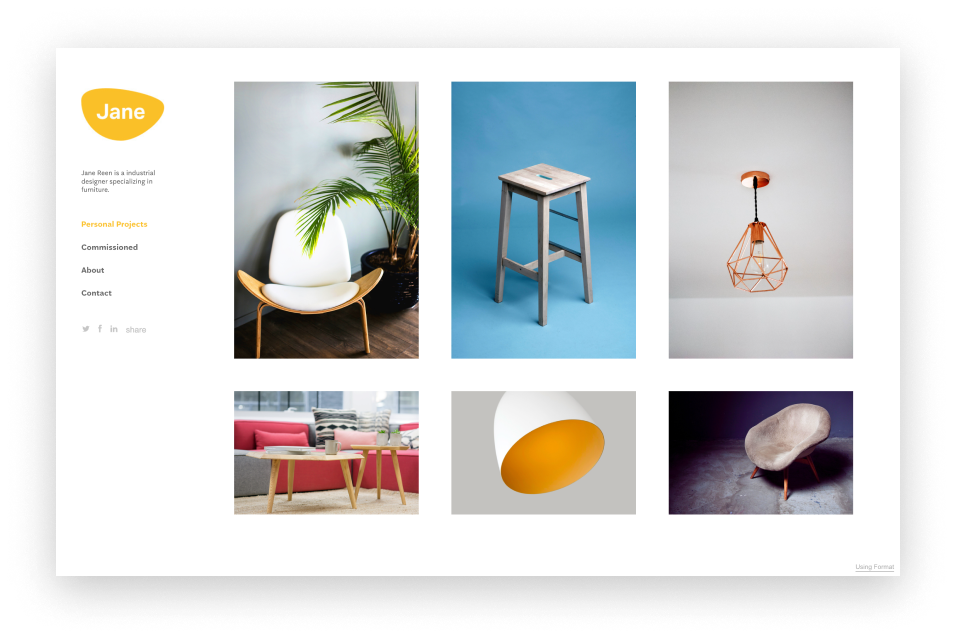
5. Monetize your work: Utilize Format's e-commerce platform to sell various products, prints, packages, and digital items, keeping 100% of your revenue, transforming your portfolio into a revenue-generating asset for your photography business.
To help you get started, we've put together a step-by-step guide on how to create a stunning online portfolio that showcases your work and helps you stand out in the competitive world of photography. Whether you're new to building websites or a seasoned pro, our guide will provide you with the essential steps to make your portfolio shine. Let's get started!
1. Create a free account: Sign up for a free trial with Format to get started. This will give you access to all of Format's portfolio building tools and resources.
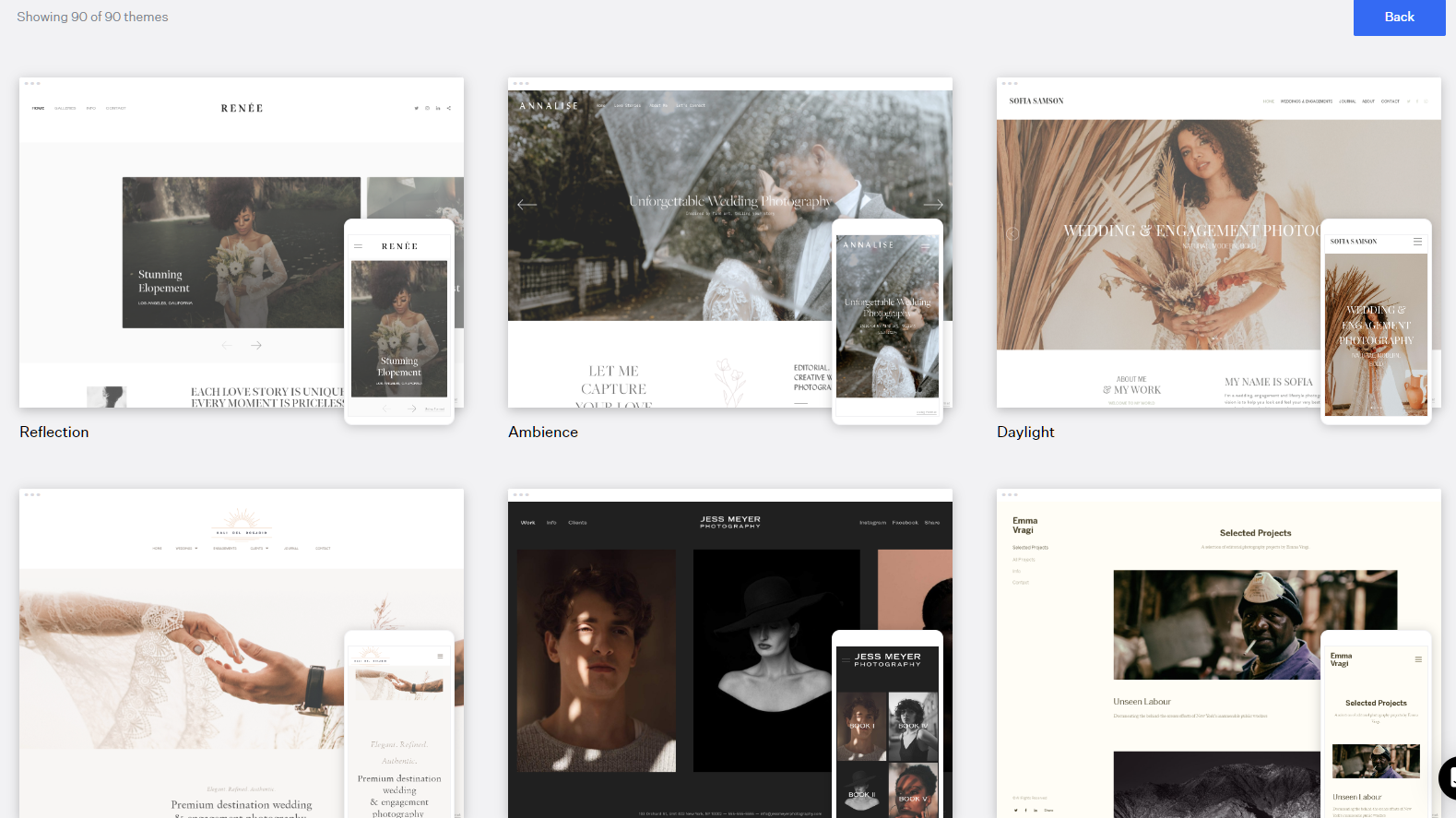
Format features 90+ themes to customize your website
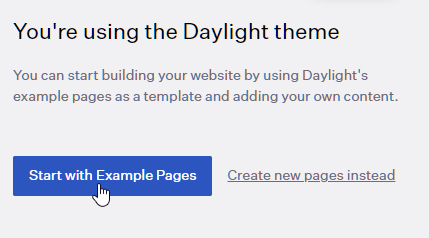
3. Add pages and sections: Use Format's page tool to add additional pages and sections to your portfolio. We recommend to start with the examples pages. Customize or create an about page, a contact page, or pages dedicated to specific creative projects or photography.
The second part of our step-by-step guide about building your own portfolio using Format.
4. Customize your portfolio: Use Format's intuitive design editor to customize your portfolio and make it your own. Add your own branding, colors, and fonts to make it stand out.
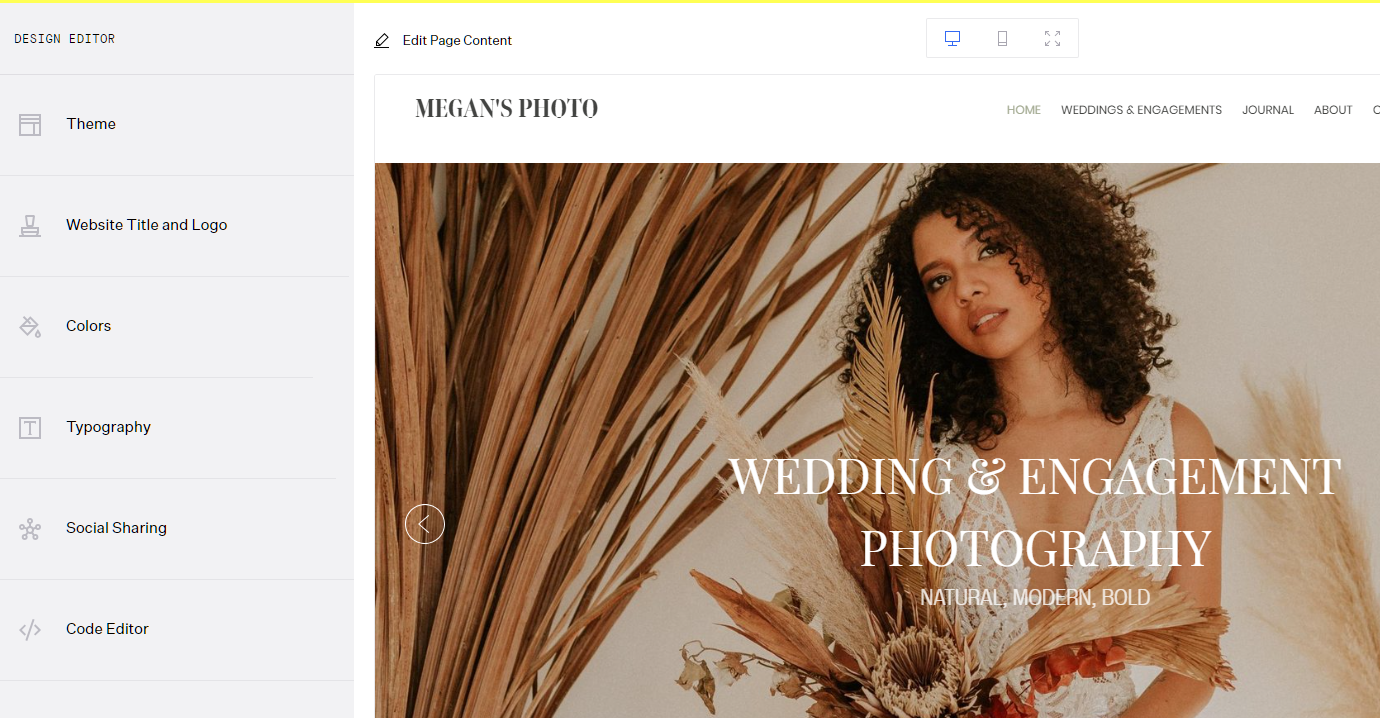
The design editor allows you to further customize your website and showcase your brand
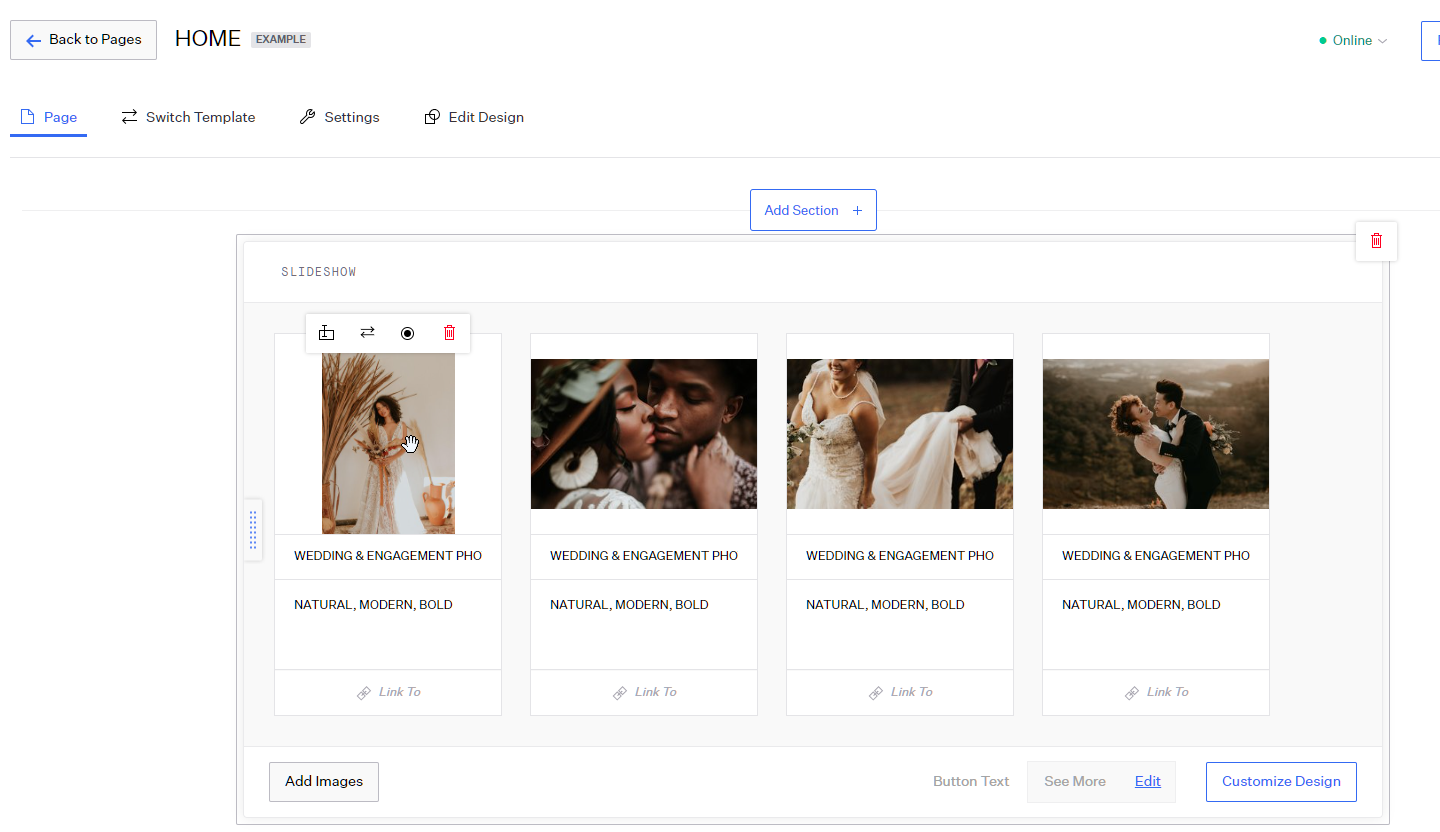
Replacing sample images with your own work is the fastest way to get started with a unique portfolio.
The third part of our step-by-step guide about building your own portfolio using Format.
6. Add custom pages: Create your own layouts, add multi-media, and mailing lists. Custom pages are just what they sound like, pages where you can make your own custom layouts unique from your site theme. Custom pages also have a diverse array of media that you can upload, including: hosted video, live Instagram feeds, slideshow carousels, mailing lists, etc.
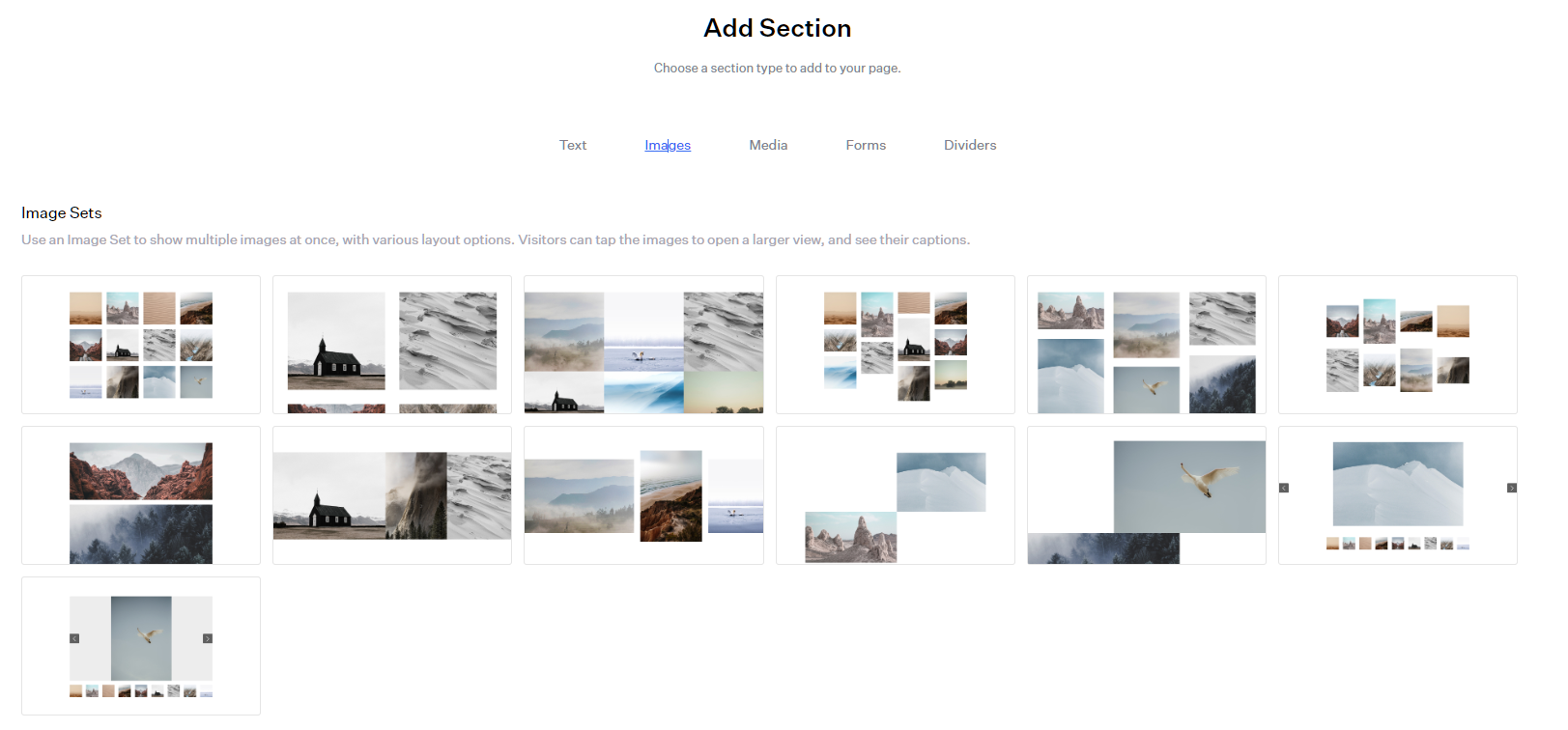
Format has over 40 modules to showcase your work
7. Sell your work: Use Format's store tools to sell your work directly from your portfolio. You can offer prints, digital downloads, and other products to your clients. You will need a Paypal account to collect payments. Once your products are published, you can link your store in the menu directly from the page editor.
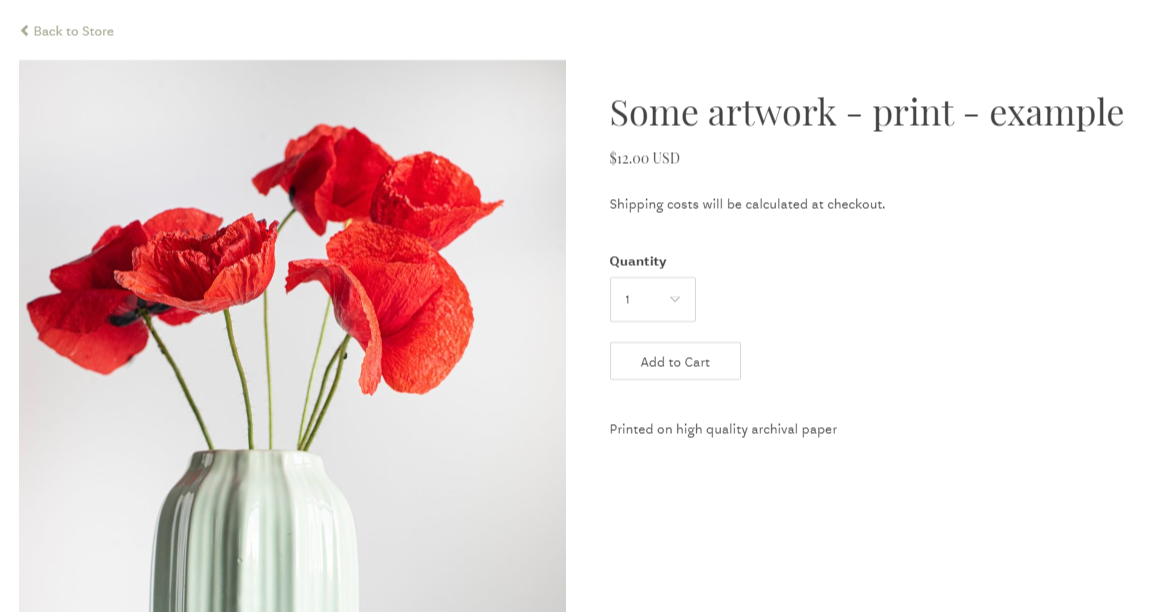
When creating a new product, you can specify images, price, shipping price per destinations etc.
8. Connect your domain: Connect your own custom domain to your Format portfolio to give it a more professional look and make it easier to share with others. A paid subscription is required to connect a domain.
The third part of our step-by-step guide about building your own portfolio using Format.
9. Optimize for SEO: Use Format's built-in SEO tools to optimize your portfolio's pages for search engines. This can help potential clients find you more easily and increase your visibility online. Focus on your homepage and service / product pages. Mentionning your service area here and there will also help you ranking for local search terms.
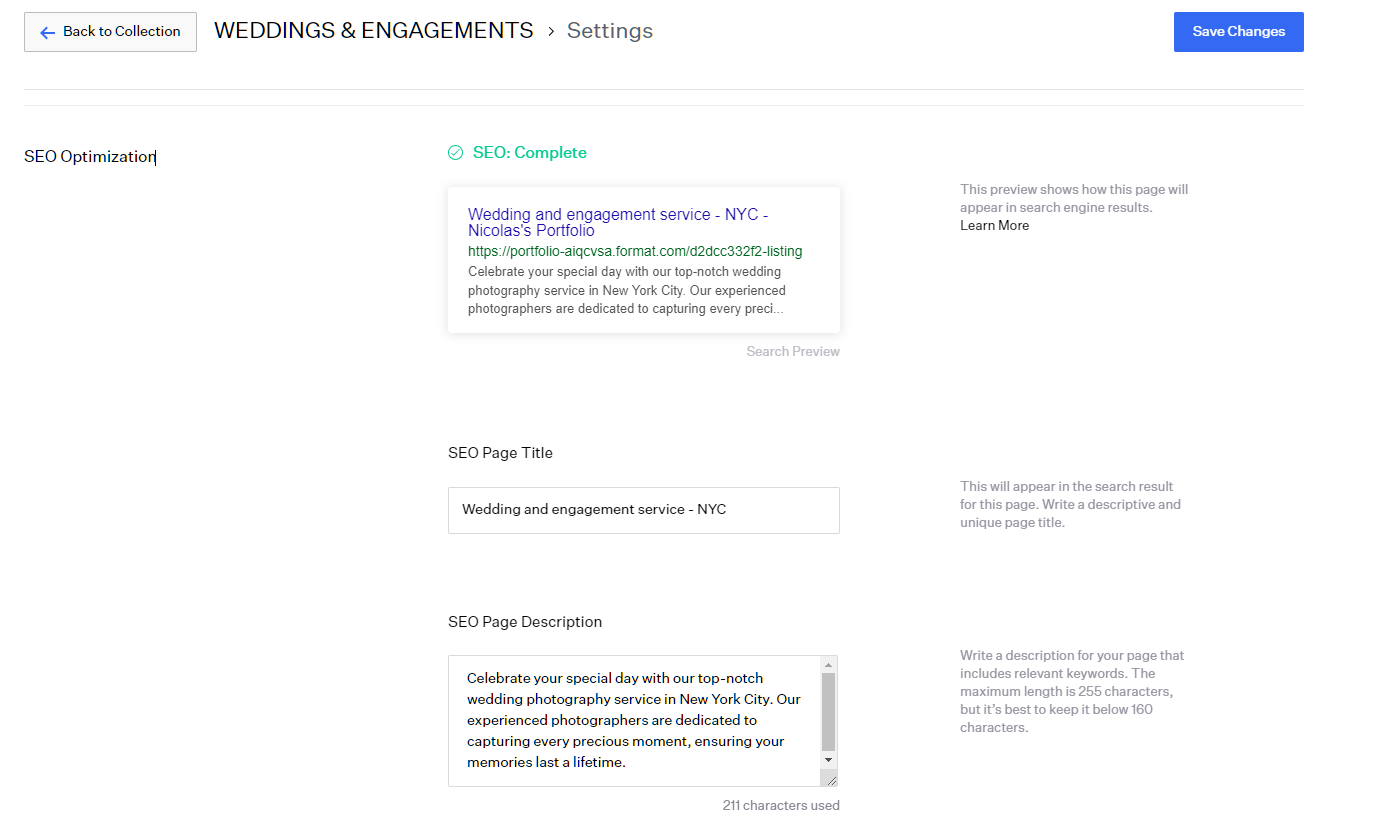
You can edit the SEO title and description from any given page settings
10. Share and promote: Once your portfolio is live, it's time to start sharing it with the world. Use social media, email marketing, and other promotional tools to get your work in front of potential clients.

You can also leverage Format's marketing tools to create a pop-up, or easily connect to Google Analytics and your Google My Business profile

Your portfolio should be easy to navigate and showcase your work in an organized manner. Avoid cluttered pages or too many images, which can distract from your best work. Consider creating separate galleries for different types of photography or projects.
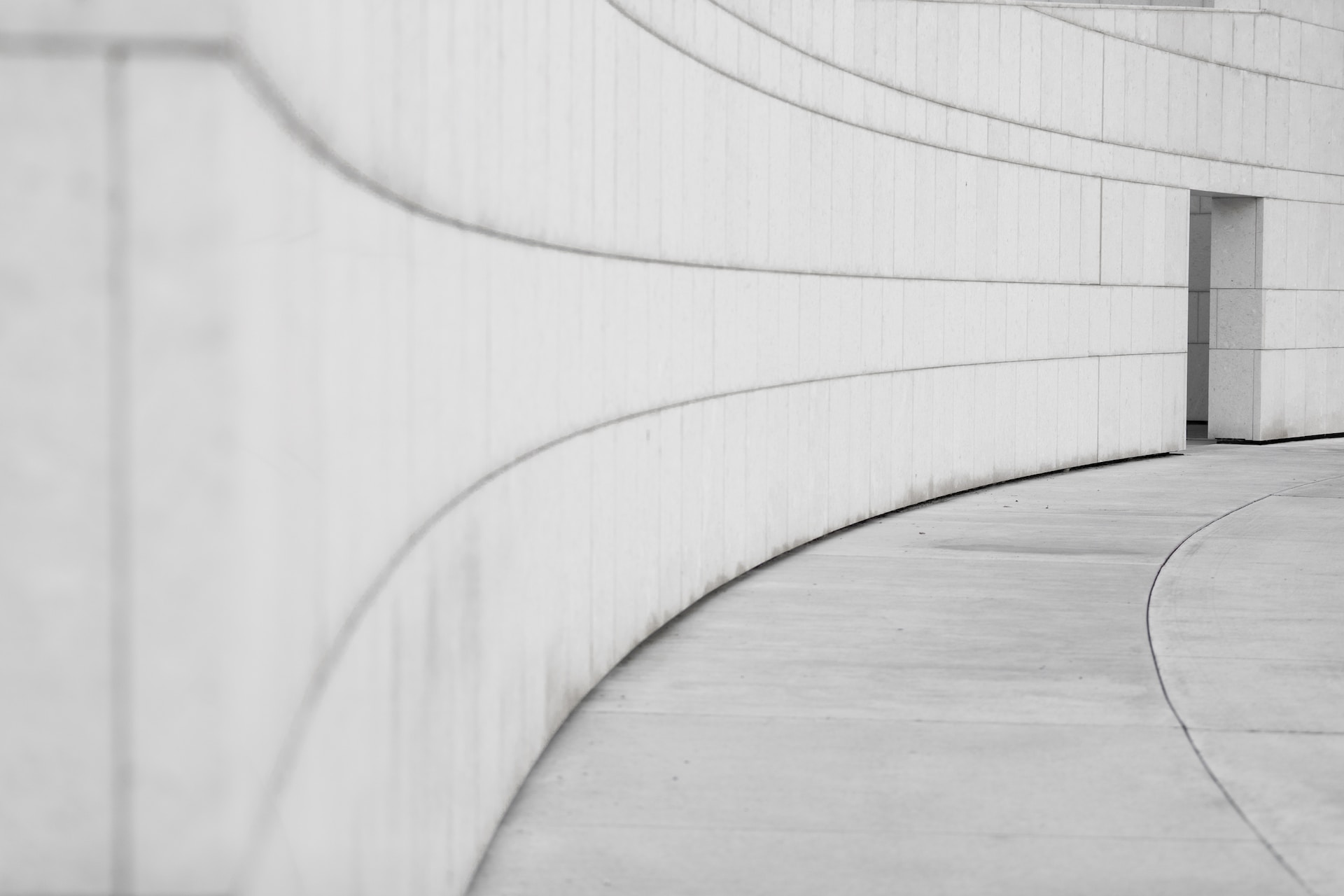
Make sure to put your best and most compelling images at the beginning of your portfolio. This will capture the viewer's attention and keep them engaged with your work. Regularly update your portfolio with your latest and best work to keep it fresh and engaging.

Use your portfolio to tell a story about your work and your process as a photographer. This can be done through captions or by organizing your images in a way that tells a narrative.

Think about who your portfolio is aimed at and tailor it accordingly. If you're looking to attract commercial clients, for example, focus on showcasing work that would appeal to them. Your portfolio should be a living document that evolves as your work does.
Building your brand is essential for standing out in a crowded creative industry. Here are some tips for establishing a strong brand identity and promoting yourself effectively.

Define your brand: Start by defining your brand identity. What sets you apart from other photographers? What are your core values and what do you want to be known for? Once you've defined your brand, make sure that your messaging and visual identity align with your brand identity.

Create a professional website: Your website is the foundation of your online presence. Use a website builder like Format to create a professional website that showcases your work and reflects your brand identity. Make sure that your website is easy to navigate and optimized for search engines.

Leverage social media: Social media is a powerful tool for promoting your work and building your brand. Choose the platforms that are most relevant to your audience and use them consistently to share your work, connect with other creatives, and engage with your followers.

Collaborate with other creatives: Collaborate with other creatives: Collaboration is a great way to build your brand and expand your network. Look for opportunities to collaborate with other photographers, designers, and artists on projects that align with your brand identity.
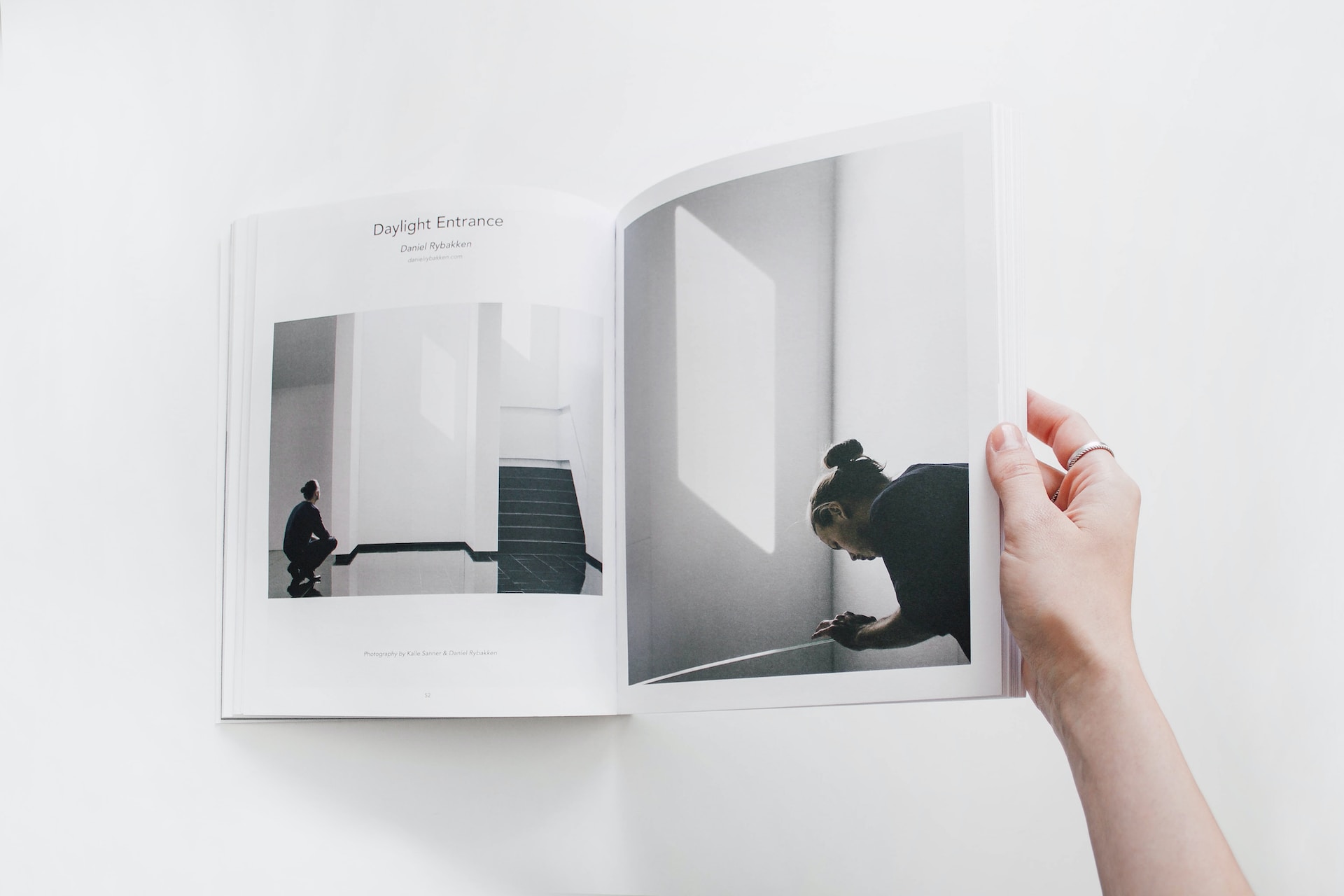
Get published: Getting your work published in industry publications, blogs, and social media accounts is a great way to build your brand and reach a wider audience. Look for opportunities to submit your work and be persistent in your efforts.
For an aspiring photographer, a good starting point might be to focus on organic social media and SEO, as these can be relatively low-cost and effective ways to reach potential clients.
Marketing Strategy
Description
Est. Cost Range
?
SEO
Optimizing your website for search engines to improve your visibility and ranking in search results.
Free (DIY) to $1,000+ per month (outsourced)
?
Organic Social Media
Creating and sharing content on social media platforms like Instagram, Facebook, and Twitter to grow your following and engage with potential clients.
Free (DIY) to $500+ per month (outsourced)
?
Paid marketing
Creating and running targeted ads on social media platforms or search engines to reach potential clients.
$5 to $500+ per day, depending on ad budget and target audience
Creating and sending email newsletters to your subscribers to share updates, promotions, and helpful tips.
Free (DIY with a free email marketing tool) to $50+ per month (paid email marketing tool)
?
Networking events
Attending and participating in local events and meetups to meet potential clients and network with other professionals in the industry.
Free to $50+ per event, depending on registration fees
?
Referral program
Encouraging your existing clients to refer their friends and family to your business in exchange for a reward or discount.
Free to the cost of the reward or discount offered
?
Content marketing
Creating and sharing high-quality content, such as blog posts, videos, or podcasts, to attract and engage potential clients.
Free (DIY) to $1,000+ per month (outsourced content creation)
Building relationships with clients and networking is essential to growing your business. Your ability to connect with people, build trust, and establish a good reputation can make all the difference in attracting new clients and securing repeat business.
Here are some tips to help you build strong relationships with your clients:
✔️
Communicate effectively: Make sure you're clear and concise in your communications with clients. Respond promptly to their inquiries and keep them informed throughout the process.
✔️
Be friendly and personable: Show your clients that you care about their needs and interests. Get to know them as people and build a rapport.
✔️
Deliver high-quality work: Consistently delivering high-quality work is one of the best ways to build trust and establish a good reputation.
✔️
Offer exceptional customer service: Go above and beyond to meet your clients' needs and exceed their expectations. Offer personalized service and attention to detail.
Networking is also an essential part of building your business. Here are some tips for effective networking:
✔️
Attend industry events: Attend photography trade shows, conferences, and other industry events to meet other photographers, vendors, and potential clients.
✔️
Join photography groups: Join online and offline photography groups to connect with other photographers and share your work.
✔️
Use social media: Social media is a great way to network with other photographers and potential clients. Use platforms like Instagram and Facebook to showcase your work and connect with others in your industry.
✔️
Communicate effectively: Make sure you're clear and concise in your communications with clients. Respond promptly to their inquiries and keep them informed throughout the process.
Here are a few key legal considerations for photographers to keep in mind:

Copyright law protects the original works of authors, including photographers. This means that you have the exclusive right to use, reproduce, and distribute your photographs. It's important to register your copyrights with the US Copyright Office to ensure that your work is fully protected.

Model Releases: If you're photographing people, it's important to obtain a model release that gives you permission to use their image. This is especially important if you plan to use the photographs for commercial purposes. Make sure that your model release is legally sound and includes all of the necessary elements.

Contracts: When working with clients, it's essential to have a contract that outlines the scope of the project, the payment terms, and other important details. Make sure that your contract is legally sound and that both parties fully understand their obligations.

As a photographer, you'll need to pay taxes on your income. Make sure that you understand your tax obligations and keep accurate records of your income and expenses.
As we discussed in the previously, legal considerations for photographers are an important part of protecting your business and your clients. One crucial aspect of this is having a solid photography contract in place.

A photography contract is a legal agreement between a photographer and their client that outlines the terms and conditions of the photo shoot. It should include important details such as the date and time of the shoot, the location, the services to be provided, and the fees and payment schedule. Nowadays, these type of contracts can be signed electronically.
Having a photography contract is essential for protecting both you and your clients. It helps to establish clear expectations, prevents misunderstandings, and can help resolve disputes if they arise. A contract also ensures that you get paid for your work and helps to establish a professional and trustworthy reputation.
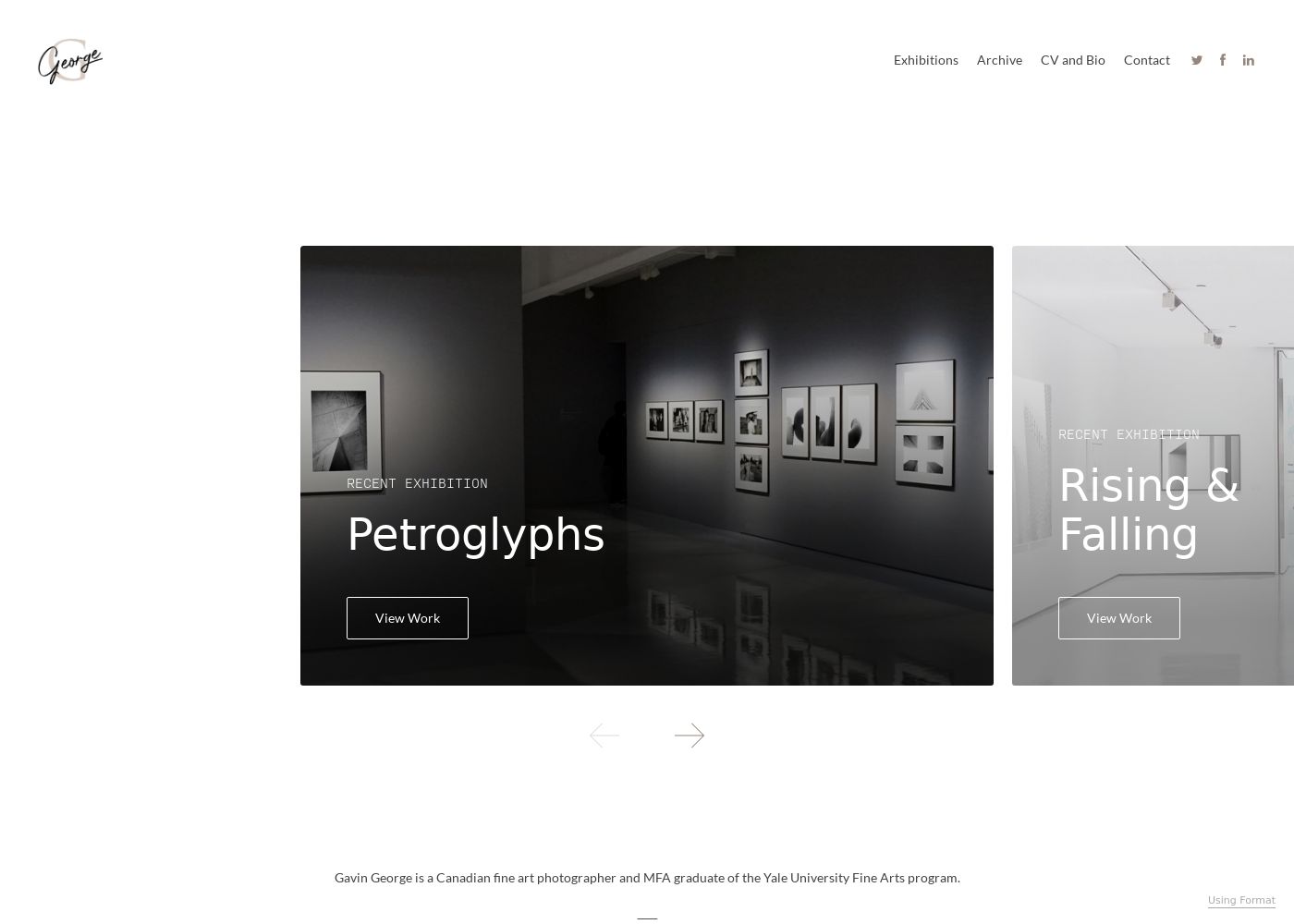
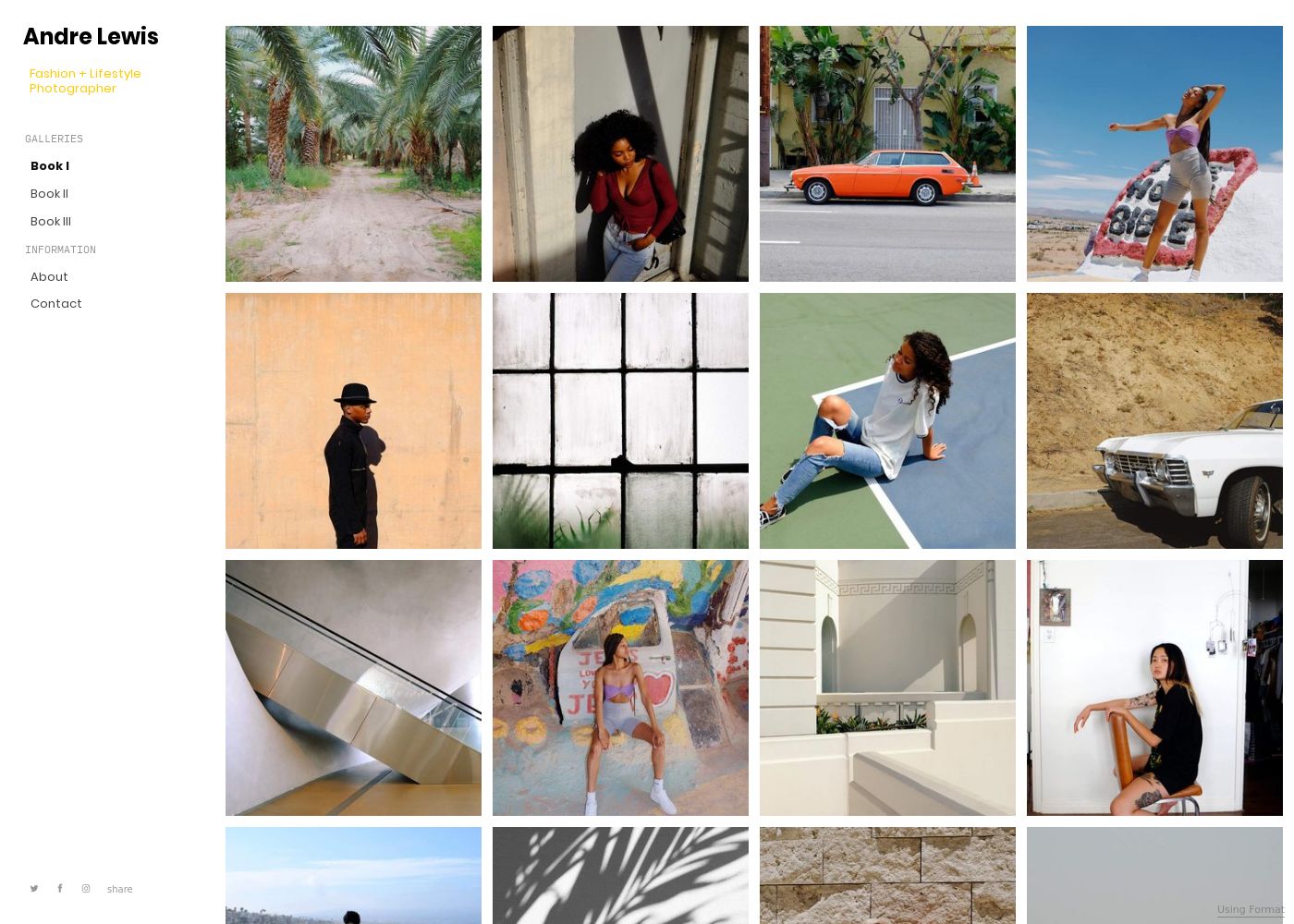
Congratulations, you've made it to the end of this ebook! By now, you should have a solid foundation of essential skills, tools, and resources to start building a successful career in photography. Let's quickly recap the key takeaways from each section:
With all of these tools and resources at your disposal, you are well on your way to a successful career in photography. Here are some next steps to help you get started:
Remember, building a successful career in photography takes time, effort, and dedication. But with the right skills, tools, and mindset, you can achieve your dreams and take your passion for photography to the next level. Good luck!